Sep 11, 2026

Aug 21, 2026
Standard hybrid electric vehicles (HEVs) and mild hybrids (MHEVs) never need to be plugged in, as their internal combustion engines and regenerative braking automatically recharge their small battery packs on the move. Conversely, Plug-in Hybrid Electric Vehicles (PHEVs) do not strictly require grid charging to run on gasoline, but plugging them in is essential to access their 20–50 miles of all-electric range, slash fuel costs by over 50%, and prevent hauling dead battery weight.
1. Decoding the Acronyms: MHEV, HEV, PHEV, and EREV Explained
2. The Core Verdict: Do Hybrid Cars Actually Need to Be Charged?
3. How Hybrid and EV Batteries Capture Energy: Regeneration vs. Grid Power
4. The "Unplugged PHEV" Penalty: What Happens If You Never Charge?
6. Charging Equipment Protocols: Level 1, Level 2, and Why Most PHEVs Skip DC Fast Charging
7. Economic & Efficiency Breakdown: Real-World MPGe vs. Dollar Savings
8. Battery Longevity, Maintenance Realities, and Warranty Rules
9. The 4-Point Decision Framework: Which Powertrain Matches Your Life?
Having spent more than three decades in industrial manufacturing, automotive testing bays, and technical documentation across Europe, Asia, and North America, I can tell you that the modern automotive showroom is an absolute alphabet soup. Dealership sales reps often throw around abbreviations like confetti, leaving smart buyers wondering what hardware is actually sitting between the wheels.
To understand whether an electric plug is required, let's categorize the four distinct hybrid architectures currently on the road:
Mild Hybrid Electric Vehicle (MHEV): Think of an MHEV as a conventional gas engine with an electrified helper. It typically uses a compact 48-volt electrical architecture and an integrated starter-generator (ISG). It captures tiny bits of braking kinetic energy to power vehicle electronics, smooth out auto start-stop, and provide a micro-torque boost during launch. It cannot drive on electric power alone and features no charging port.
Full Hybrid Electric Vehicle (HEV): The iconic architecture made famous by the early Toyota Prius. An HEV pairs a traditional internal combustion engine (ICE) with one or more electric motors and a self-contained 1–2 kWh battery pack. It seamlessly switches between gas, electric, or combined propulsion at low speeds. It recharges entirely internally—you cannot plug it into the wall.
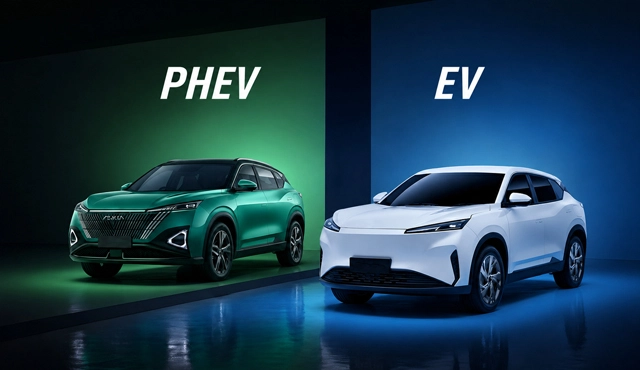
Plug-in Hybrid Electric Vehicle (PHEV): The true bridge technology. A plug-in hybrid incorporates a much larger traction battery (generally 10–25 kWh) alongside a full gas engine. It is engineered with an external charge port, allowing owners to charge from the electrical grid and drive 20 to 50 miles exclusively on battery power before seamlessly reverting to standard hybrid gasoline operation.
Extended-Range Electric Vehicle (EREV / REEV): A unique cousin of the PHEV where the electric motor drives the wheels 100% of the time, while a small onboard gasoline generator kicks in strictly to supply electrical current to the battery once depleted. Like a PHEV, it requires external plugging to maximize efficiency.
Let's eliminate the ambiguity once and for all: No standard hybrid (HEV or MHEV) requires or allows external plugging. Only PHEVs and pure battery electric vehicles (BEVs) feature charging ports.
If you purchase a standard HEV (such as a Honda CR-V Hybrid, Toyota Camry Hybrid, or Hyundai Tucson Hybrid), you will treat it exactly like any gasoline car you have owned for the last fifty years: pull up to a conventional fuel pump, fill the gas tank in three minutes, and drive away. The vehicle’s internal power control module handles all electrochemical storage behind the scenes without your intervention.
FAQ: Does a Plug-in Hybrid (PHEV) stop running if I run out of electric charge on the highway?
Not at all. The absolute superpower of a PHEV is its dual-fuel redundancy. When the high-voltage battery depletes after its initial 30–40 miles of pure electric driving, the onboard management computer automatically fires up the gasoline engine. You will seamlessly transition into driving a standard hybrid with hundreds of miles of total gas range remaining.
In classical mechanical engineering, hitting your vehicle’s brake pedal squeezes hydraulic pads against steel rotors, turning kinetic motion into wasted ambient friction heat. Hybrid vehicles turn this paradigm on its head through regenerative braking.
When you ease off the accelerator or lightly press the brake pedal, the vehicle’s drive computer reverses the electromagnetic field of the drive motor. The motor instantly transforms into a generator, creating magnetic resistance that slows the vehicle down while simultaneously pumping converted electricity back into the battery pack. In urban stop-and-go traffic, this recaptures up to 70% of dynamic energy that traditional cars throw away.
Here is how energy flows across different hybrid architectures:
[ Grid / 120V / 240V Outlet ] ──── (PHEV Only) ────► [ Traction Battery ]
                                                              │
[ Engine Kinetic Power / Fuel ] ──► [ Generator ] ────────────┤
                                                              ▼
[ Deceleration / Regen Braking ] ─► [ Drive Motor ] ──► [ Drive Wheels ]
Over the decades, I have met drivers who purchased a PHEV solely to claim government tax credits or carpool stickers, but never actually plugged the car into a wall socket. While the car runs fine on gas, driving an uncharged PHEV triggers several real-world operational penalties:
The Dead-Weight Penalty: A PHEV battery pack weighs anywhere from 250 to 500+ pounds. Hauling hundreds of pounds of inactive lithium-ion chemistry everywhere using only a gasoline engine reduces your fuel efficiency below that of a lighter, dedicated HEV. For example, an uncharged Toyota RAV4 Prime achieves roughly 35–38 MPG on gasoline, whereas the lighter standard RAV4 Hybrid achieves 40–41 MPG.
Wasted Upfront Capital: You paid a premium of $4,000 to $8,000 for high-capacity battery cells, high-output power inverters, and onboard charging electronics that you are leaving idle.
Loss of EV Refinement: You sacrifice the whisper-quiet cabin, instant 100% low-end electric torque, and zero-emission neighborhood commuting that make plug-in vehicles enjoyable.
| Operational Parameter | Regularly Charged PHEV | Never Charged PHEV (Gas Only) |
|---|---|---|
| Daily Commute Cost (30 mi) | ~$1.80 – $2.50 (Electric Grid) | ~$3.50 – $4.50 (Gasoline) |
| Effective Efficiency | 80 – 115+ MPGe | 32 – 38 MPG |
| Carbon Tailpipe Impact | Zero in city limits | Equivalent to standard gas hybrid |
To help you choose the right powertrain for your lifestyle, let's look at the mechanical differences, energy sources, and operational costs side by side:
| Vehicle Category | External Plug Required? | Pure Electric Range | Refueling / Recharging Time | Primary Energy Source |
|---|---|---|---|---|
| Mild Hybrid (MHEV) | No (Impossible) | 0 miles | 3 minutes (Gas Pump) | 100% Gasoline |
| Full Hybrid (HEV) | No (Impossible) | 0.5 – 1.5 miles | 3 minutes (Gas Pump) | 100% Gasoline (with internal storage) |
| Plug-in Hybrid (PHEV) | Optional (Highly Recommended) | 20 – 50+ miles | 2–4 hrs (L2 AC) / 3 mins (Gas) | Grid Electricity + Gasoline |
| Battery Electric (BEV) | Mandatory (100% of energy) | 220 – 450+ miles | 18–35 mins (DC Fast Charger) / 8 hrs (L2) | 100% Grid Electricity |
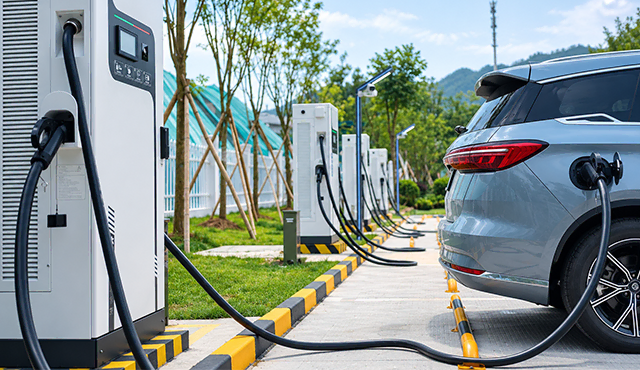
If you own or are considering a PHEV, setting up an efficient charging routine is straightforward. Unlike massive pure EVs that carry 80–100 kWh battery banks, PHEVs have modest 10–20 kWh packs that charge quickly:
Level 1 Charging (Standard 120V Household Outlet): Plug the portable cord that came with the car into any standard grounded garage outlet. It adds roughly 4–5 miles of range per hour, fully replenishing a depleted PHEV in 8 to 12 hours overnight. For many PHEV owners, Level 1 charging is all they will ever need.
Level 2 Charging (240V Appliance Circuit / Dedicated Wallbox): Utilizing a 240V Level 2 circuit (the same type of outlet used by an electric clothes dryer) drops charging time down to 2 to 3.5 hours. It is ideal if you commute in the morning, plug in at lunch, and head back out for afternoon errands.
FAQ: Why can't I plug most PHEVs into commercial DC Fast Charging stations?
Most PHEVs are intentionally not equipped with DC fast-charging ports (like high-voltage CCS or NACS connectors). Adding the heavy high-voltage contactors, liquid cooling loops, and complex battery thermal management required for 50 kW+ charging adds thousands of dollars in manufacturing cost and extra curb weight. Because a PHEV always has a gas engine as a backup, engineers prefer saving buyers money by sticking to affordable on-board AC chargers (3.3 kW to 7.4 kW).
(Industry Note: Rare exceptions exist—such as the Mitsubishi Outlander PHEV and select luxury European PHEVs—which include CHAdeMO or CCS ports for specialized DC fast charging.)
To truly understand hybrid economics, look at your cost-per-mile. According to comprehensive transportation data published by the Alternative Fuels Data Center (US Department of Energy), residential electricity averages roughly $0.16 per kilowatt-hour nationwide, while gasoline prices regularly fluctuate between $3.40 and $4.20 per gallon.
Let's run the real-world math on a standard 35-mile daily round-trip commute:
Conventional Gas Sedan (28 MPG @ $3.75/gal): Consumes 1.25 gallons of gas = $4.68 per day ($1,708/year).
Full Hybrid HEV (45 MPG @ $3.75/gal): Consumes 0.77 gallons of gas = $2.88 per day ($1,051/year).
Plug-in Hybrid PHEV (Charged at Home @ $0.16/kWh, using ~11 kWh for 35 miles): Consumes 11 kWh = $1.76 per day ($642/year).
By simply plugging your PHEV into a basic outlet every night, you pocket more than $1,000 in annual fuel savings compared to a traditional gas vehicle, and roughly $400 in extra savings over a standard hybrid.
A common myth among hesitant buyers is that hybrid batteries die after 3 or 4 years, resulting in a catastrophic repair bill. In modern manufacturing, this fear is outdated:
Federal and State Warranty Mandates: In the United States, federal law requires automakers to warrant all high-voltage hybrid and EV battery packs for a minimum of 8 years or 80,000 miles. In CARB-compliant states (California, New York, Massachusetts, etc.), that legal protection expands to a massive 10 years or 150,000 miles.
Reduced Brake Wear: Because regenerative braking handles the vast majority of routine deceleration, mechanical brake pads and rotors on hybrids often last 80,000 to 100,000+ miles before requiring replacement.
Engine Preservation: In a regularly charged PHEV, the internal combustion engine may only run for 30% to 40% of the vehicle’s total odometer mileage, significantly reducing mechanical wear on pistons, valves, and timing components.
Ask yourself these four practical questions to find your ideal configuration:
Do you have dedicated access to an electrical outlet where you park at night?
If YES, strongly consider a PHEV or BEV. If NO (e.g., street parking or apartment without chargers), choose a Standard Full Hybrid (HEV) to avoid the hassle of public charging queues.
Is your daily round-trip commute under 40 miles?
If YES, a PHEV allows you to complete 90% of your annual driving on cheap electric power while keeping a gas engine ready for spontaneous weekend road trips.
Do you regularly drive 300+ miles across rural regions with limited charging infrastructure?
If YES, an HEV or PHEV gives you freedom from charging infrastructure, whereas a pure BEV requires route planning around fast-charging hubs.
Are you committed to completely eliminating oil changes, spark plugs, and tailpipe emissions?
If YES, skip hybrids entirely and invest in a pure Battery Electric Vehicle (BEV).
To summarize: Standard hybrid cars do not need to be charged—and in fact, cannot be plugged in at all. They are purely self-sufficient gasoline machines that recycle their own kinetic energy to deliver superior fuel economy. Plug-in hybrids (PHEVs) offer the best of both worlds: you are never stranded if you skip a charge, but plugging in overnight turns your daily commute into an ultra-cheap, whisper-quiet electric drive.
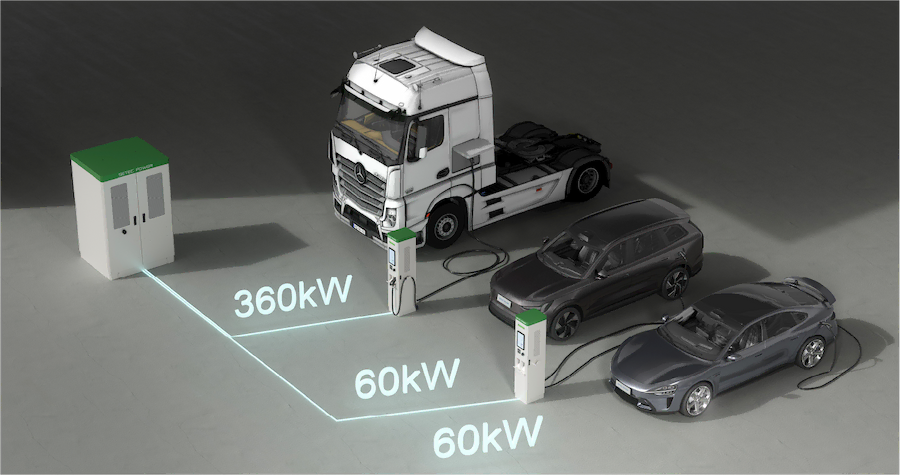
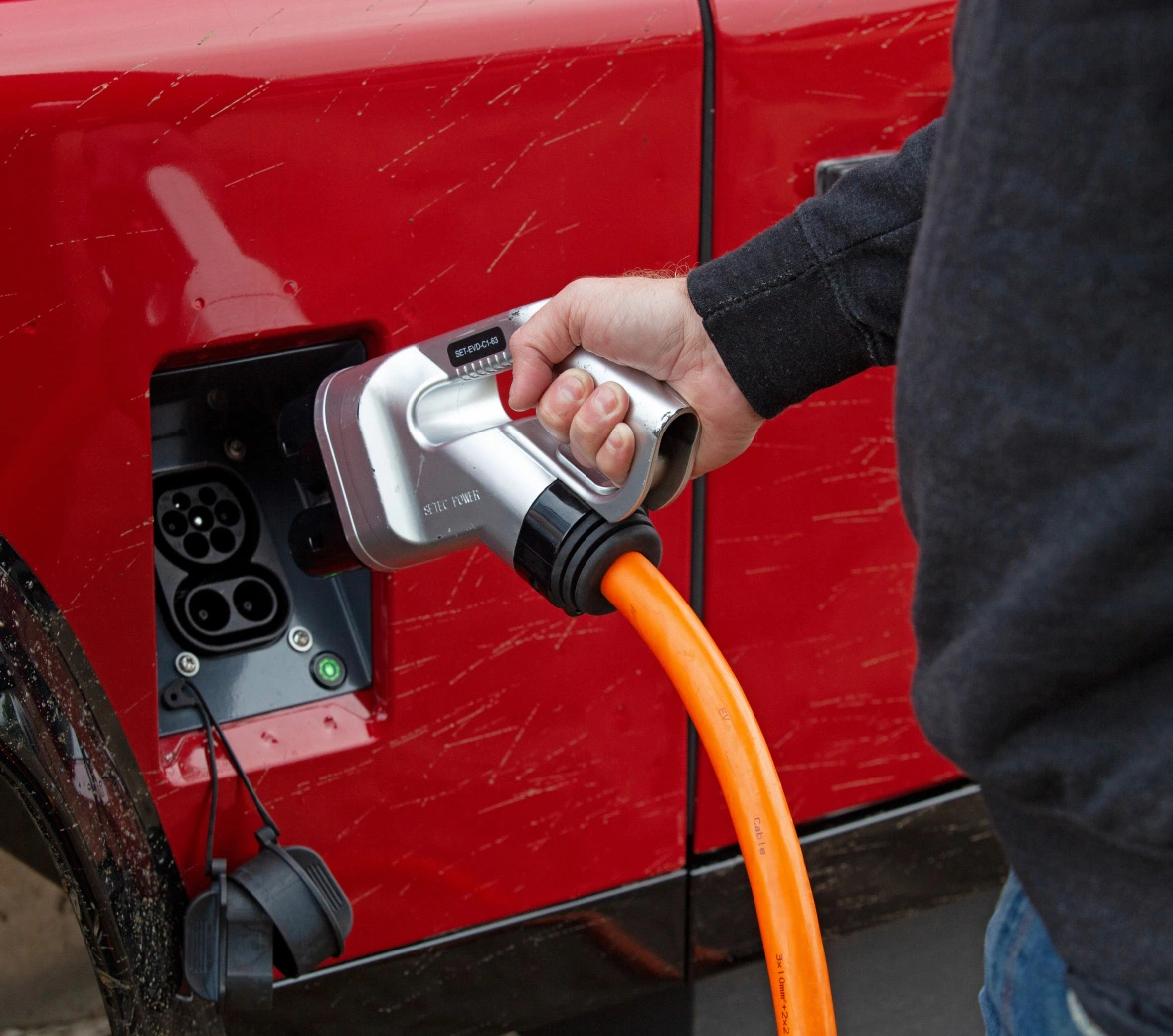
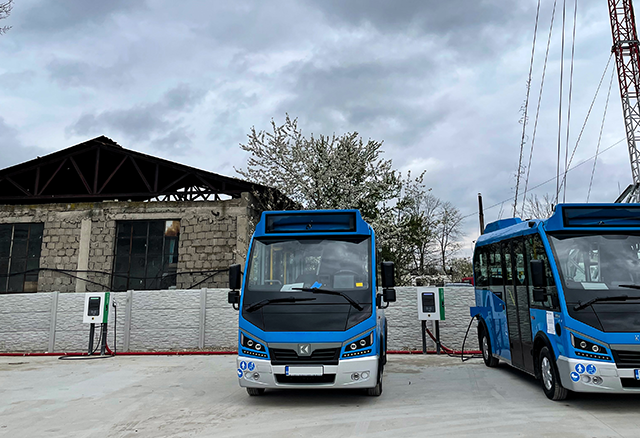
Whether you choose the plug-free simplicity of an HEV, the flexible dual-fuel versatility of a PHEV, or the pure zero-emission performance of a BEV backed by robust commercial infrastructure like a CCS Charger, understanding these technical differences guarantees you get the maximum return on your automotive investment.
Authoritative data references and market analysis cited in this guide: US Department of Energy (AFDC) Residential Charging & Fuel Calculations, International Energy Agency (IEA) Global EV & Hybrid Outlook, and BloombergNEF Electric Drivetrain Market Reports.