Sep 11, 2026

Aug 20, 2025
Choosing the right EV charging infrastructure starts with knowing the difference between AC and DC charging piles. While both technologies supply power to electric vehicles, they work in very different ways and are suited to different use cases. This guide breaks down how each type operates so you can select the most suitable solution for your application.
What is EV Charging Pile Equipment?
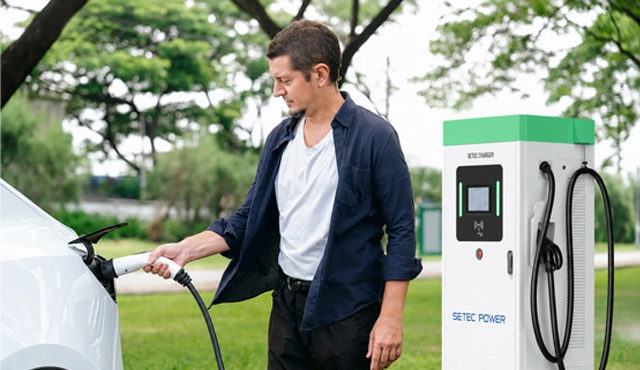
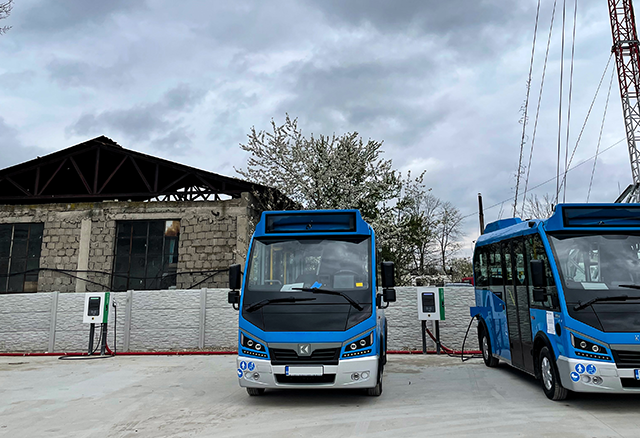
EV charging piles, also called Electric Vehicle Supply Equipment (EVSE), draw electricity from the power grid and condition it to match EV battery requirements. They operate much like an electrical version of a fuel pump, providing reliable and convenient access to charging. Whether installed in homes, offices, commercial centers, or parking lots, charging piles are a core component of EV infrastructure and make everyday charging accessible.
What is a DC Charging Pile?
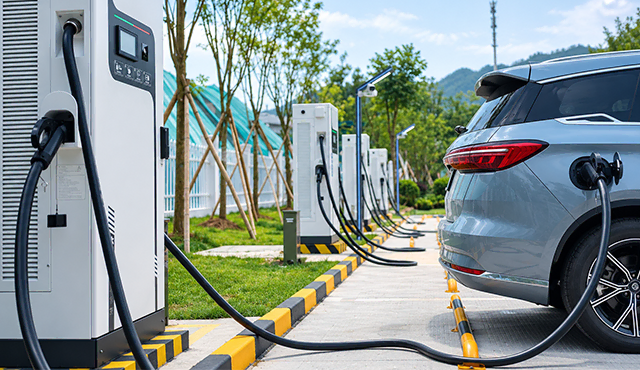
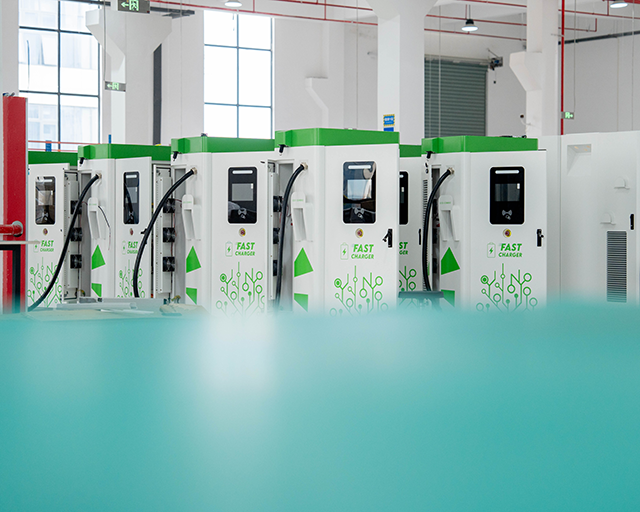
A DC charging pile is an electrical device that converts AC power from the grid into DC power and delivers it directly to electric vehicle batteries. This equipment handles the conversion process internally, bypassing the vehicle's onboard charger completely. DC charging piles are also known as fast chargers or Level 3 chargers in the EV industry.
What is an AC Charging Pile?
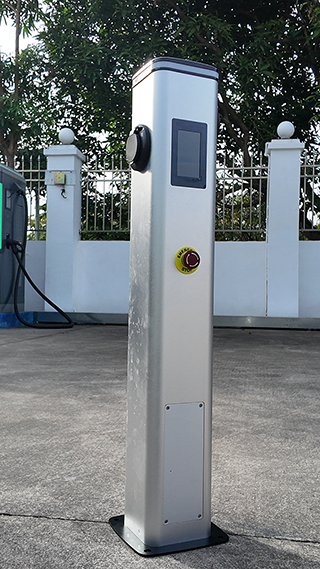
An AC charging pile is an electrical device that provides AC power directly to electric vehicles. Unlike DC charging piles, they rely on the vehicle's built-in onboard charger to convert AC power into DC power for battery storage. AC charging piles are also called slow chargers in the electric vehicle charging infrastructure.
What is the difference between AC and DC charging?
Key Differences Between AC and DC Charging
The fundamental difference between AC charging and DC charging involves electrical current conversion and power delivery methods.
| Feature | AC Charging Pile | DC Charging Pile |
| Charging Speed | Slower (6-8 hours) | Faster (20-60 minutes) |
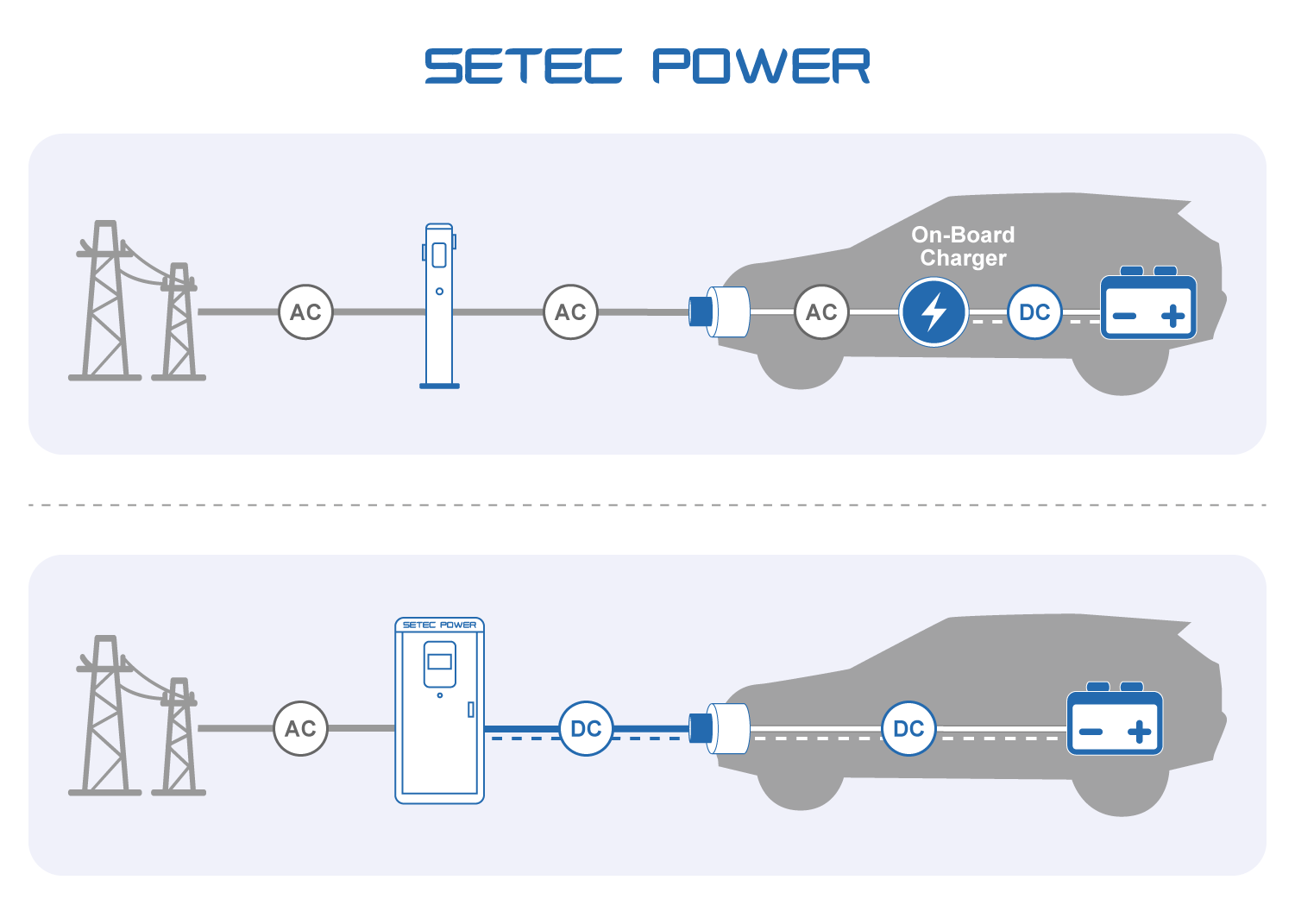
| Charging Method | Uses the vehicle's onboard charger | Converts power internally |
| Construction Cost | Lower | Higher |
| Application Scenarios | Homes, offices, and overnight parking | Highways, public stations, fleets |
Charging Speed: AC vs DC
Charging speed differences between AC vs DC systems result from power delivery limitations and conversion efficiency factors. AC charging piles provide power output between 3.5kW to 22kW, suitable for long-duration charging scenarios such as home charging or public areas like parking lots and shopping centers. Full charging usually takes 6-8 hours, making it ideal for overnight charging.
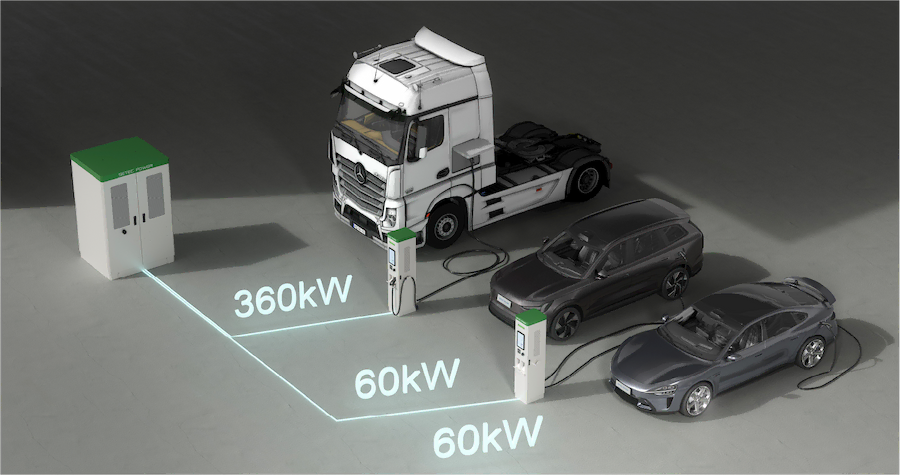
DC fast charging piles, however, offer much higher power outputs ranging from 60kW to 350kW, with some advanced models reaching 360kW, delivering fast charging speeds. Under normal conditions, a DC charger can charge an electric vehicle battery to 80% within 30 minutes, making it perfect for rapid charging locations such as highway service areas and large public charging stations.
Charging Method
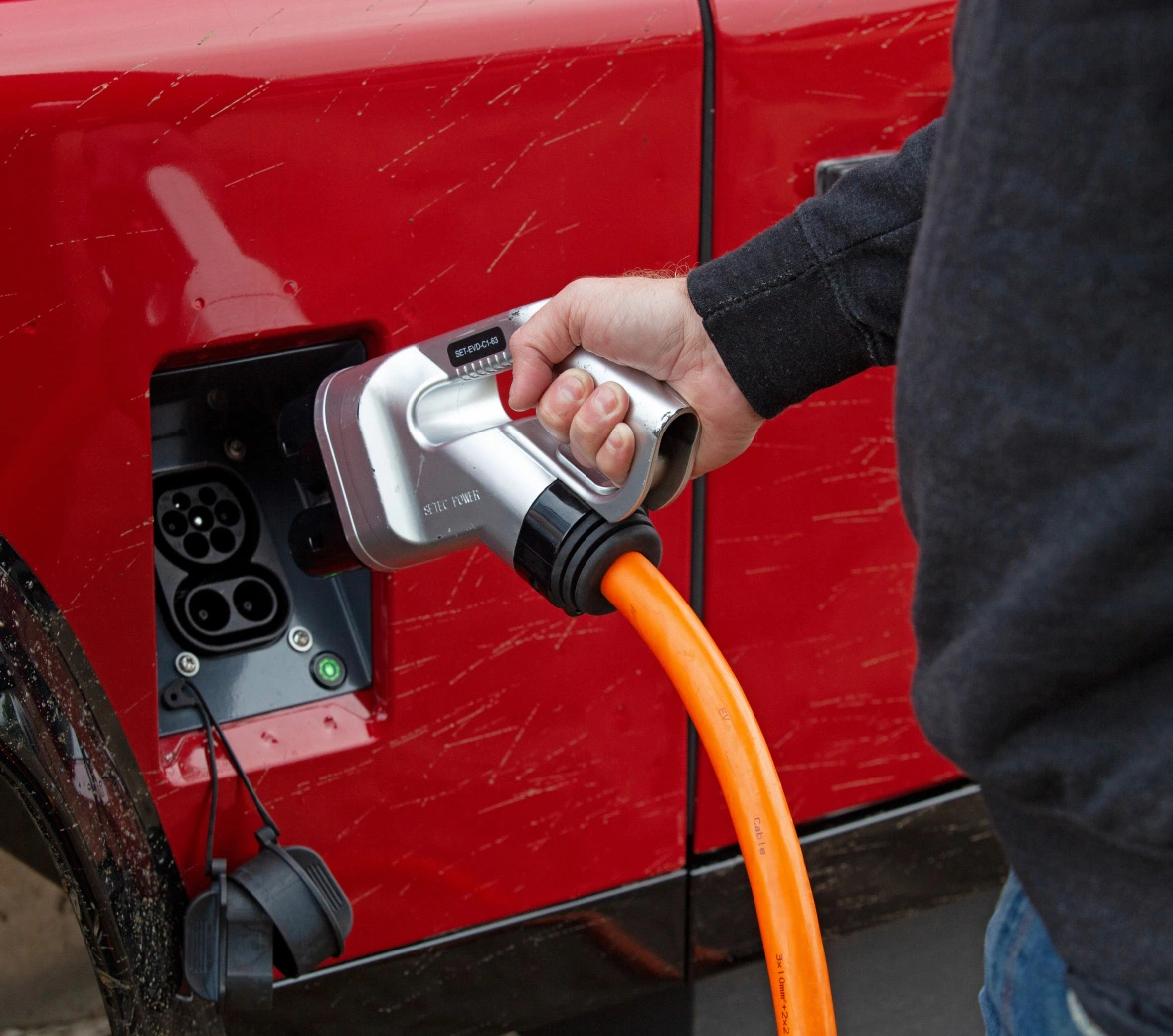
In contrast, DC charging converts AC power to DC power through high-power charging equipment located inside the charging station itself. This process directly provides rapid charging to the battery system while bypassing the vehicle's internal charger, enabling more efficient energy conversion.
Charging Pile Construction Cost
AC charging infrastructure involves lower construction costs due to simpler equipment requirements. The installation process requires standard electrical work without specialized power infrastructure. Grid connection demands are modest, often using existing electrical capacity. These unit offers greater installation flexibility, allowing deployment in various locations, including underground parking facilities with fewer safety restrictions.
DC charging piles involve significantly higher investment. The on-site conversion equipment requires specialized electrical infrastructure and higher-capacity connections, along with additional safety and compliance systems. Site preparation often includes electrical upgrades and dedicated power supply installations.
Application Scenarios
AC charging serves locations where vehicles park for extended periods. Primary applications include residential homes for overnight charging, workplace facilities during business hours, and commercial venues like shopping centers and hotels. These scenarios work well with AC charging's longer duration requirements, typically 6-8 hours for full battery charging. The extended parking time matches AC charging's slower speed.
DC charging targets locations requiring rapid energy replenishment. Key applications include highway service areas for long-distance travel support, urban public charging stations for high-turnover scenarios, and commercial fleet depots serving buses, taxis, and delivery vehicles. These environments demand quick charging within 30-60 minutes to minimize vehicle downtime and maximize operational efficiency.
Which Type is Better: AC vs DC?
There is no single “better” option — the right choice depends on your specific needs and budget.
AC costs less to install and maintain. This pile uses existing electrical setups without expensive upgrades. They work with most electric vehicles. AC charging is also gentler on your battery, making it safer for daily use. The downside is slower charging speeds. It takes 6-8 hours for a full charge, which can be inconvenient when you need power quickly.
DC charges much faster. It can fill your battery to 80% in just 20-30 minutes. This makes it perfect for highway stops and busy locations. But DC charging has drawbacks, too. It costs much more to install because it needs special equipment. The fast charging also creates heat that can harm your battery over time. Plus, DC charging fees are usually higher than AC charging.
When choosing AC or DC, consider three main factors: how long vehicles will park, your site's power capacity, and your budget. If vehicles park for many hours, the AC charging pile's lower costs make more sense. If you need quick vehicle turnover, DC charging piles' faster speeds deserve the higher investment.
The most effective approach combines both charging types. Many successful facilities install AC chargers for everyday use and add DC chargers for customers who need rapid charging, creating a balanced solution that controls costs while meeting diverse needs.
Industry Statistics 2025
Current market data shows distinct adoption patterns for AC charging and DC charging technologies across different applications.
2025 Charging Pile Market Statistics:
AC Market Share: 70% of total installations globally
DC Market Share: 30% of installations, growing rapidly
Public Charging Points: Over 5 million units worldwide
AC Equipment Market: $19.85 billion global value
DC Equipment Market: $5.18 billion market size
Growth Rate: 22-32% annual growth projected
International Energy Agency data indicate that charging infrastructure deployment continues to accelerate to meet electric vehicle adoption demands.
FAQ
Q: What is the difference between a charging station and a charging pile?
A: Charging piles are standalone units offering single charging points. Charging stations are comprehensive facilities with multiple charging points and higher power capacity for simultaneous vehicle charging.
Q: What is the purpose of a charging station?
A: Charging stations convert grid electricity into standardized power for recharging electric vehicles. They provide essential public infrastructure, enabling safe and efficient EV charging to support widespread electric vehicle adoption.
Q: Why can DC charging deliver more power than AC charging?
A: DC charging piles bypass the vehicle's onboard charger power limitations. They use dedicated high-power conversion equipment to deliver up to 350kW directly to the battery, while AC charging is limited by the vehicle's onboard charger capacity.
Conclusion
Understanding AC and DC charging pile differences helps you select appropriate equipment for your specific application. Whether you need cost-effective AC solutions or high-power DC systems, proper technical specification matching ensures optimal performance. Need technical consultation on charging pile equipment?