Sep 11, 2026

Jul 04, 2025
Are you still confused about the difference between J1772 and CCS adapters? Many electric vehicle owners face the same confusion, not knowing which charging adapter is right for their model. In this complete guide, we will clearly explain the functions, differences, and usage scenarios of these two key adapters.
Read on to learn which adapter is best for your charging needs and master more efficient charging methods.
What Is J1772 Adapter
J1772 adapter is a device that helps electric vehicle (EV) owners connect their vehicle's dedicated charging port to a charging station or outlet that uses the SAE J1772 standard (also known as a J plug or Type 1 connector). This standard is the most common EV charging interface in North America and is used by almost all EV manufacturers, with the exception of Tesla. Tesla uses its own proprietary charging standard but also offers a compatible J1772 adapter that enables Tesla owners to charge their vehicles using a J1772 charger.
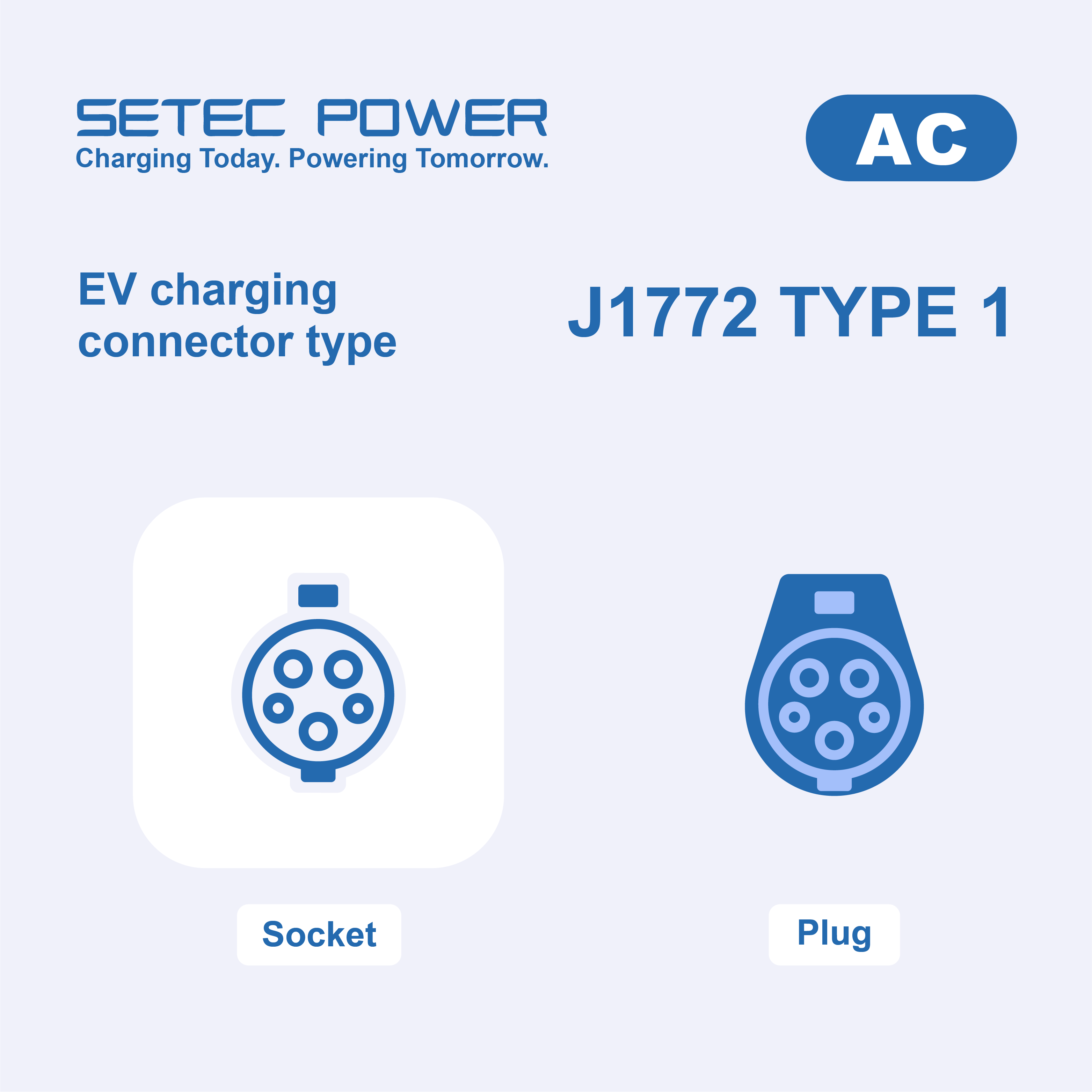
This five-pin connector serves as the primary means to charge your electric vehicle at home or work through alternating current (AC). The connector design includes specific pins for power delivery, grounding, and communication between your vehicle and the charging station.
What is CCS
Combined Charging System (CCS) is a charging station standard for plug-in electric vehicles that uses Combo 1 (CCS1) or Combo 2 (CCS2) connectors, which are extensions of the IEC 621961 Type 1 and Type 2 alternating current (AC) connectors, respectively, each with two additional direct current (DC) contacts to enable high-power fast charging. CCS chargers can deliver up to 500 kW (maximum 1000 V and 500 A) of power to electric vehicle batteries.
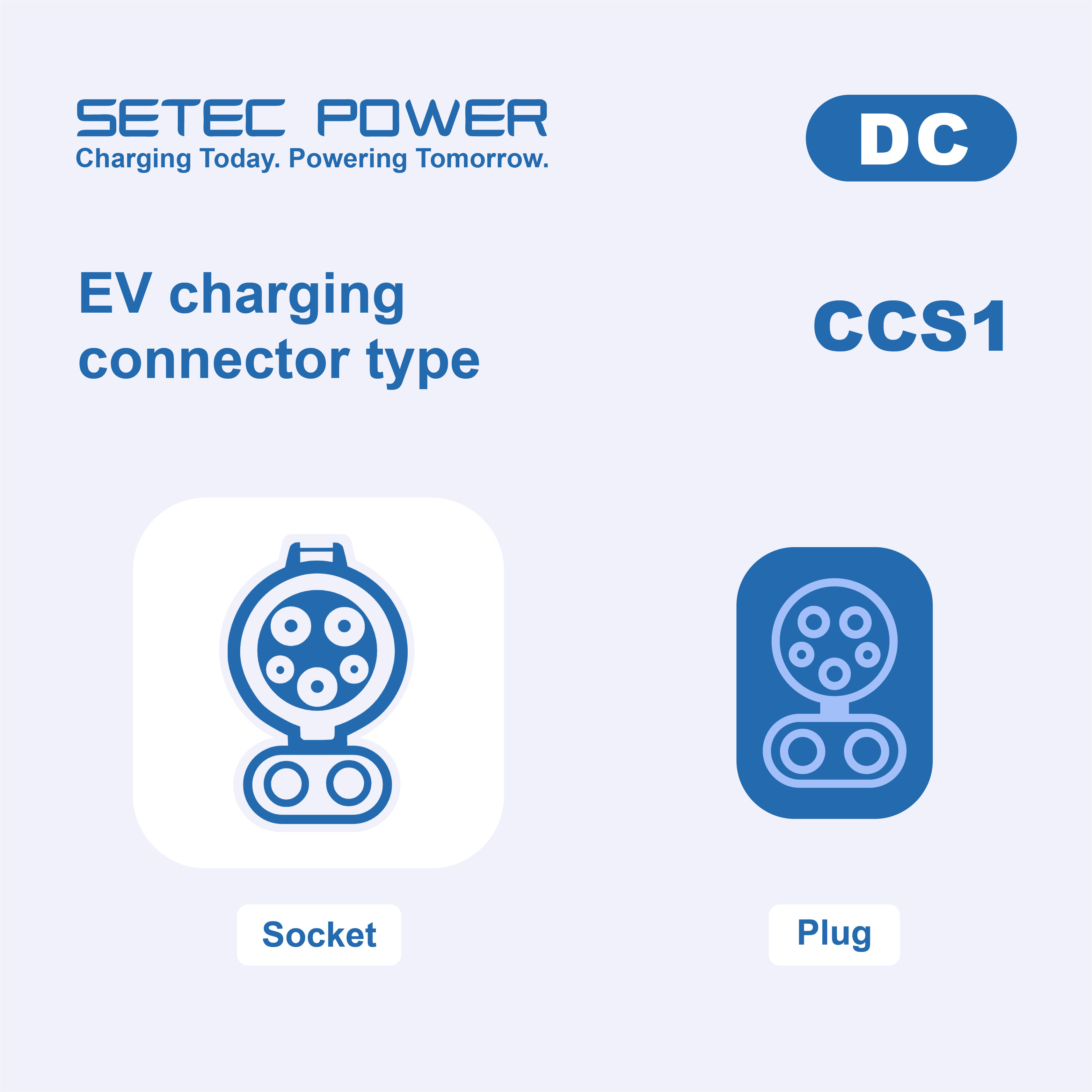
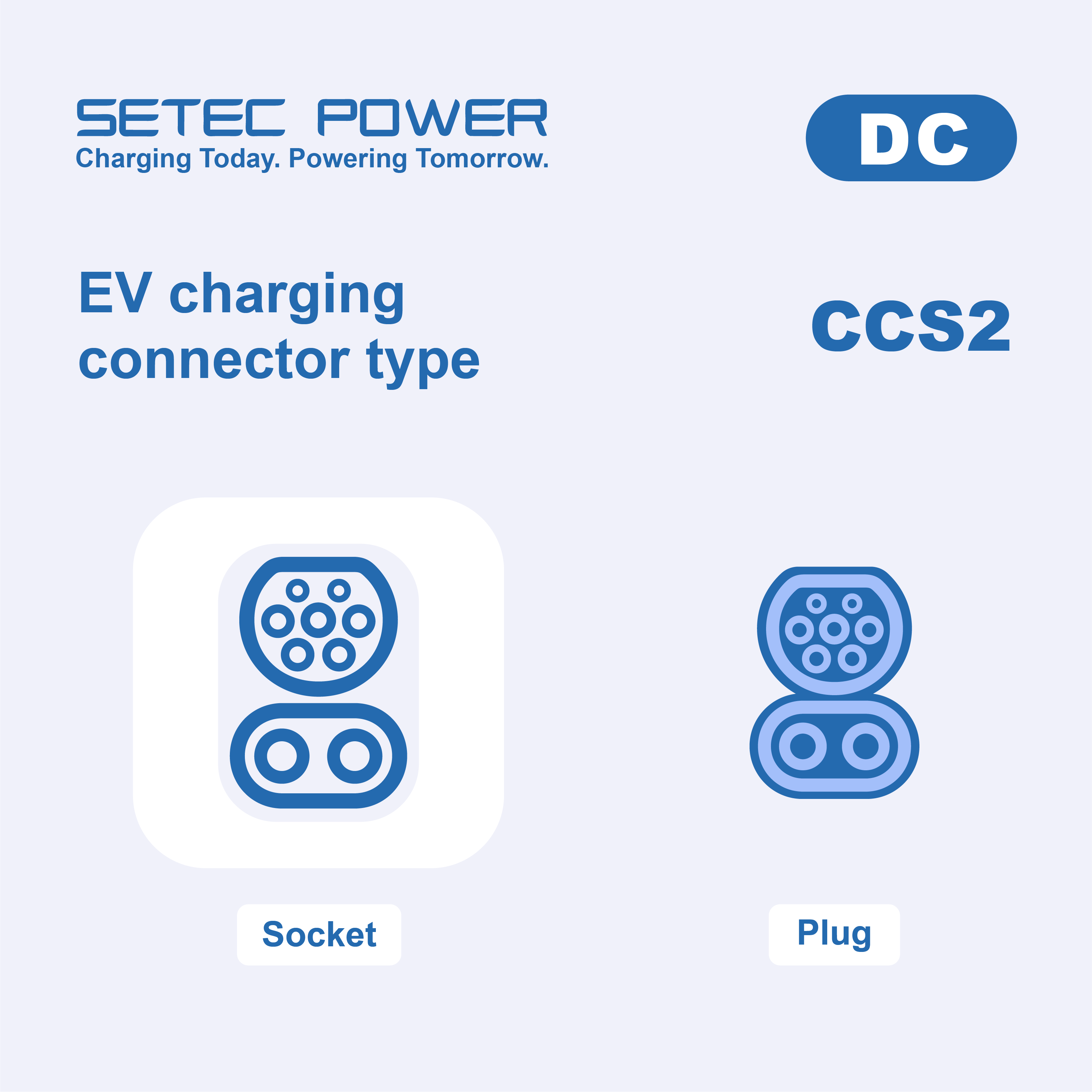
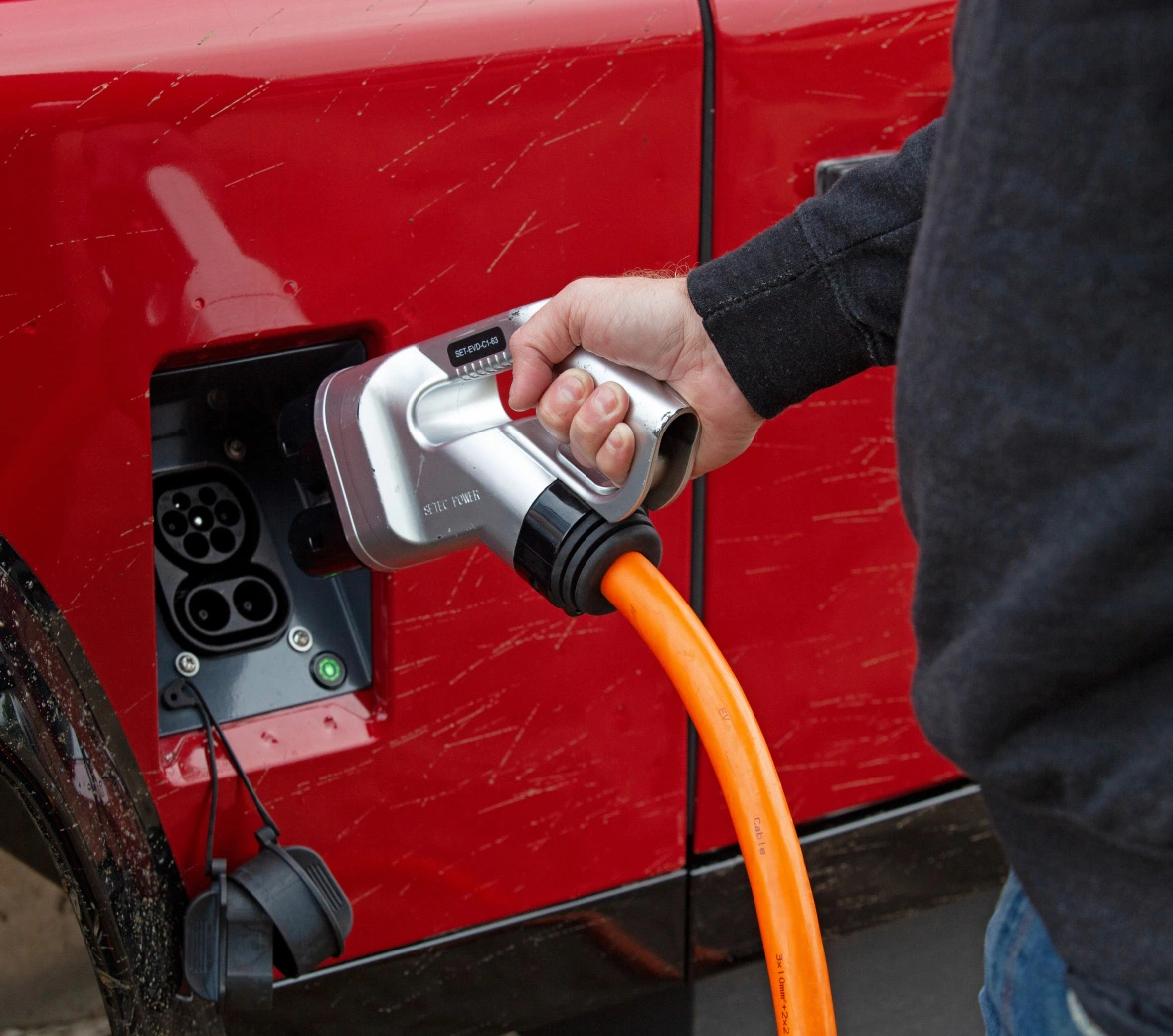
CCS1 connector builds on the J1772 design by adding two larger pins below the standard five-pin configuration. These extra pins enable direct current (DC) fast charging, which bypasses the vehicle's onboard charger to deliver power directly to the battery.
Difference Between J1772 and CCS
Choosing between a CCS vs J1772 adapter depends on your driving habits and charging needs. Let's break down the key differences to help you decide.
Feature | J1772 Adapter | CCS Adapter |
Charging Type | AC only | AC + DC fast charging |
Connector Design | 5-pin AC connector (Type 1) | J1772 AC+2 DC Pins(Combo) |
Max Power | Up to 19.2 kW (Level 2) | Up to 350 kW (DC fast charging) |
Charging Time | 4-10 hours (20-80%) | 20-45 minutes (20%-80%) |
Best Use | Home & workplace charging | Road trips & public charging |
J1772 is the dominant standard in North America for Level 1 and Level 2 AC charging, offering a user-friendly, cost-effective solution for everyday charging needs with a maximum power of about 19.2 kW.
CCS1 builds on the J1772 design by adding two DC pins, enabling high-power DC fast charging that drastically reduces charging time, supporting power levels up to 350 kW or more. It supports both AC and DC charging in one connector, making it versatile and future-proof for fast charging infrastructure
The CCS connector is becoming the global standard for fast charging, especially in Europe, Asia, and increasingly in North America, while J1772 remains widespread for slower AC charging
To learn more about different charging standards, check out our detailed guide on the difference between CHAdeMO and CCS charging systems.
Can a J1772 Plug into a CCS charger
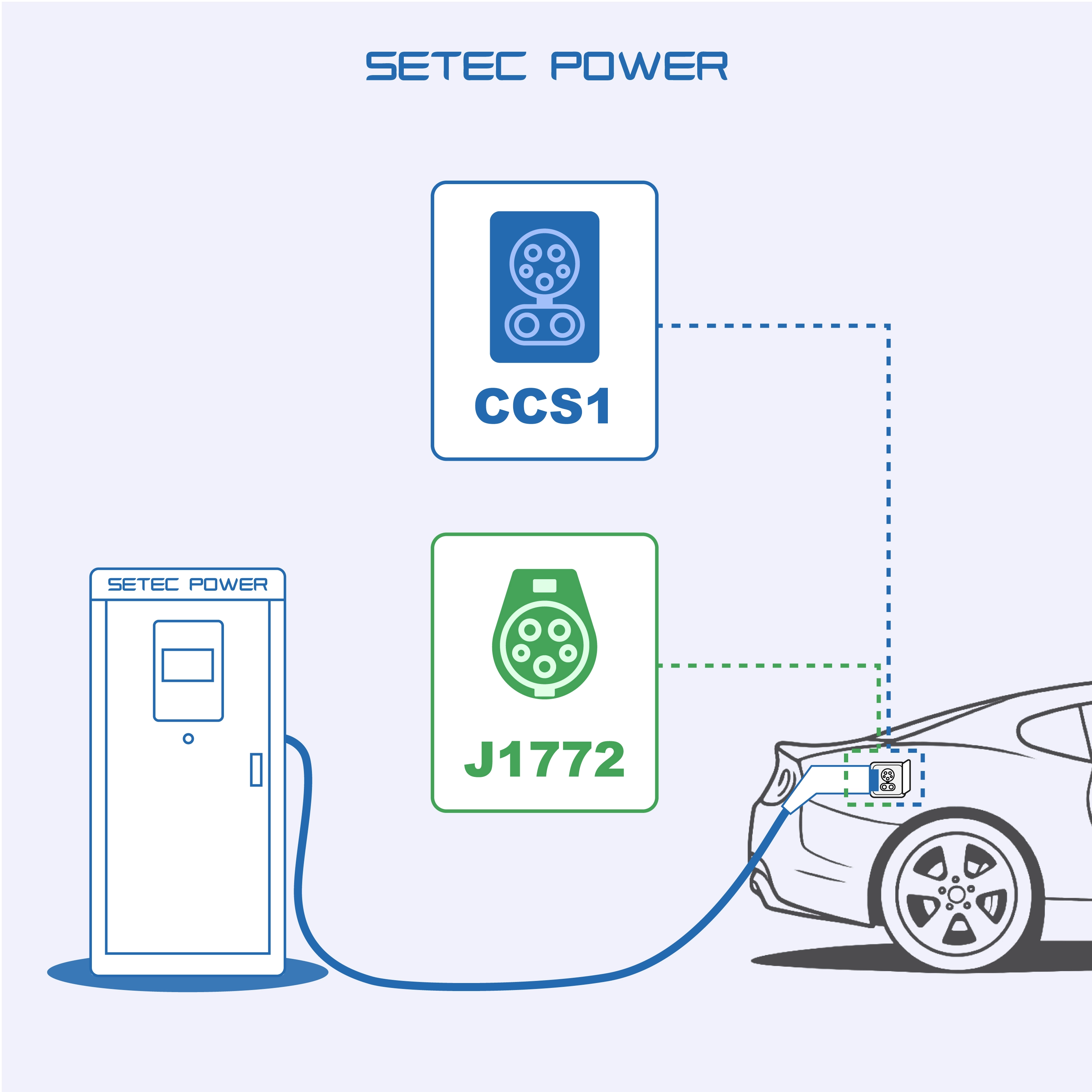
From a physical structure point of view, the J1772 plug can be inserted into the interface of the CCS charger, but it only supports AC charging and does not have DC fast charging function. This is because the CCS charger is essentially a J1772 interface with two high-current pins for DC fast charging added. When you insert the J1772 plug into the CCS connector, the charger can only provide slower AC charging according to the J1772 standard because there is no connection with the DC pins.
The J1772 standard is designed for AC charging, so it is not compatible with the DC fast charging function of the CCS interface unless additional hardware is equipped. In contrast, the CCS connector integrates DC charging capabilities, supports higher power levels, and achieves fast charging.
Why J1772 Connector Remains Important
As the electric vehicle market continues to grow, the J1772 charging connector remains important. Despite the growing popularity of Tesla's proposed North American Charging Standard (NACS, also known as J3400), the J1772 plug remains the mainstream interface for Level 1 and Level 2 AC charging in North America and is widely used in home charging and public charging scenarios.
Whether charging at home, docked at a public charging station, or connected to a Tesla charger via an adapter, J1772 provides electric vehicle owners with a stable and reliable AC power connection.
Most non-Tesla electric vehicles in North America use the J1772 interface by default for home and public charging, and many public charging stations are also designed for this standard, forming a wide coverage charging network.
Although new generation standards such as NACS (J3400) are gradually being promoted, J1772 is still indispensable. The transition to the new standard will be a long process, and most charging stations will retain support for J1772 for the next few years to ensure compatibility and accessibility for millions of existing electric vehicles.
Frequently Asked Questions: CCS vs J1772
Q: Can I charge a J1772 with a CCS charger?
A: CCS chargers are not compatible with J1772 EVs as the former has extra DC pins to support fast charging.
Q: Is J1772 being phased out?
A: J1772 is not being phased out and remains the standard for AC Level 1 and Level 2 charging in North America. It continues to be widely used for home and public AC charging stations and is compatible with almost all non-Tesla EVs and Tesla vehicles (with an adapter) as of 2025.
Q: Can J1772 do fast charging?
A: J1772 connector itself does not support DC fast charging; it is designed for AC Level 1 and Level 2 charging only. This means it can deliver moderate charging speeds but not the high power levels associated with fast charging stations.
Conclusion
Choosing between J1772 adapters and CCS adapters doesn't have to be complicated. The key is understanding your specific charging needs and driving patterns.
For most daily driving and home charging scenarios, a J1772 adapter provides reliable, cost-effective charging. However, if you frequently take long trips or need rapid charging capability, a CCS adapter offers the speed and convenience you need.
At SETEC POWER, we offer a complete range of EV charging solutions for both residential and commercial applications. Whether you need a simple J1772 home charger or are looking to install CCS fast charging for your business, our experts can help design and implement the perfect charging solution.