Sep 11, 2026

Jun 20, 2025
With the rapid popularization of electric vehicles, understanding charging principles is crucial for vehicle owners. This article provides a concise introduction to the main components of electric vehicle charging, types of charging, factors affecting charging speed, and charging duration, helping owners better understand how EV charging works in order to use it correctly and enhance their user experience.
What is EV charging
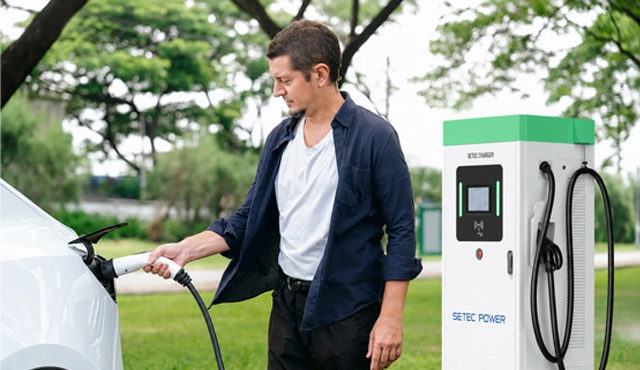
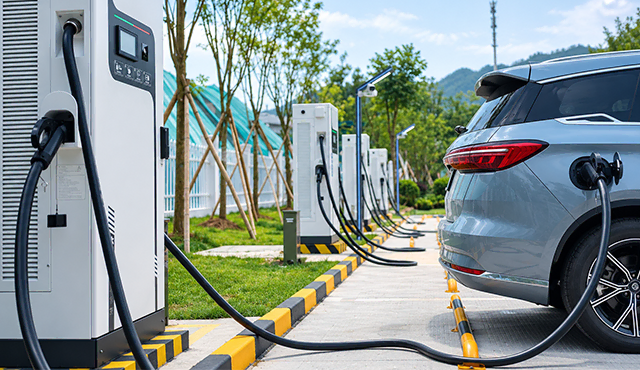
Electric Vehicle (EV) charging is the process of replenishing the battery of an electric vehicle by supplying electrical energy from an external power source through a charging station or charger. It involves connecting the vehicle to an Electric Vehicle Supply Equipment (EVSE). EV charging requires a power socket and a charging cable. By plugging the charging cable into the electric vehicle's charging port, you can begin charging the vehicle's battery. Understanding this basic concept is the first step to mastering more complex charging knowledge. Next, we will explore the working principles of electric vehicles in detail.
How does EV charging work
The principle of EV charging is converting alternating current (AC) into direct current (DC) to charge the battery. When the vehicle's charging plug is connected to the power grid, electrical energy charges the main battery of the electric vehicle. The electric motor of the electric vehicle converts the newly stored electrical energy into mechanical energy, which powers the drivetrain and makes the wheels turn.
The charging and discharging of batteries are essentially chemical reactions. For lithium-ion batteries, charging involves transferring lithium ions from the positive electrode to the negative electrode, while discharging involves transferring lithium ions from the negative electrode to the positive electrode. During the transfer of lithium ions, current is generated, providing electrical power for the vehicle. When all lithium ions have moved to the positive electrode, it means the battery is depleted; when all lithium ions have moved to the negative electrode, it indicates the battery is fully charged. This electrochemical reaction allows electric vehicles to store and release energy, driving the vehicle's operation.
The charging can be divided into fast charging and slow charging.
AC vs DC Charging
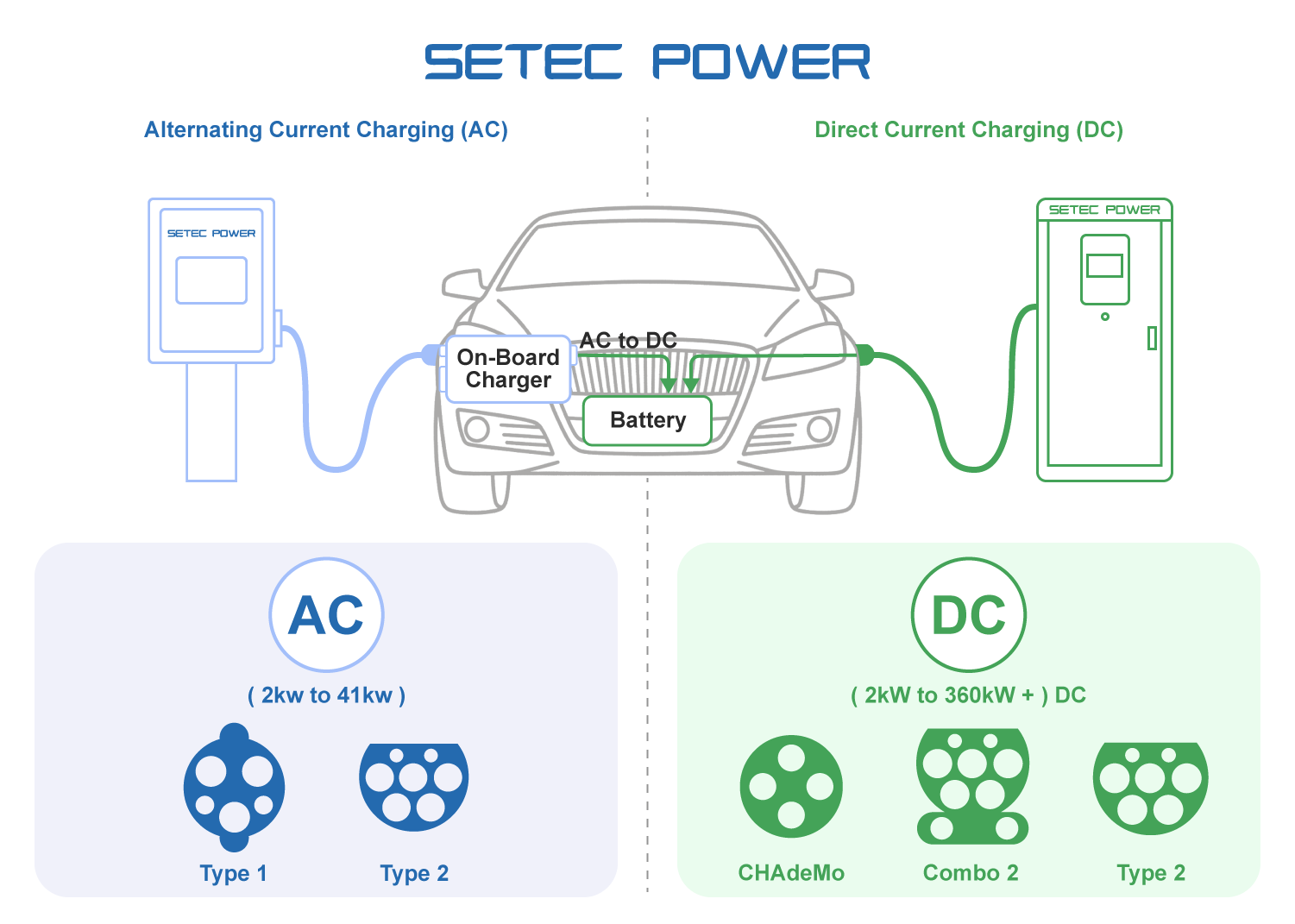
It is important to note that direct current (DC) is the only form of electricity that can charge a battery:
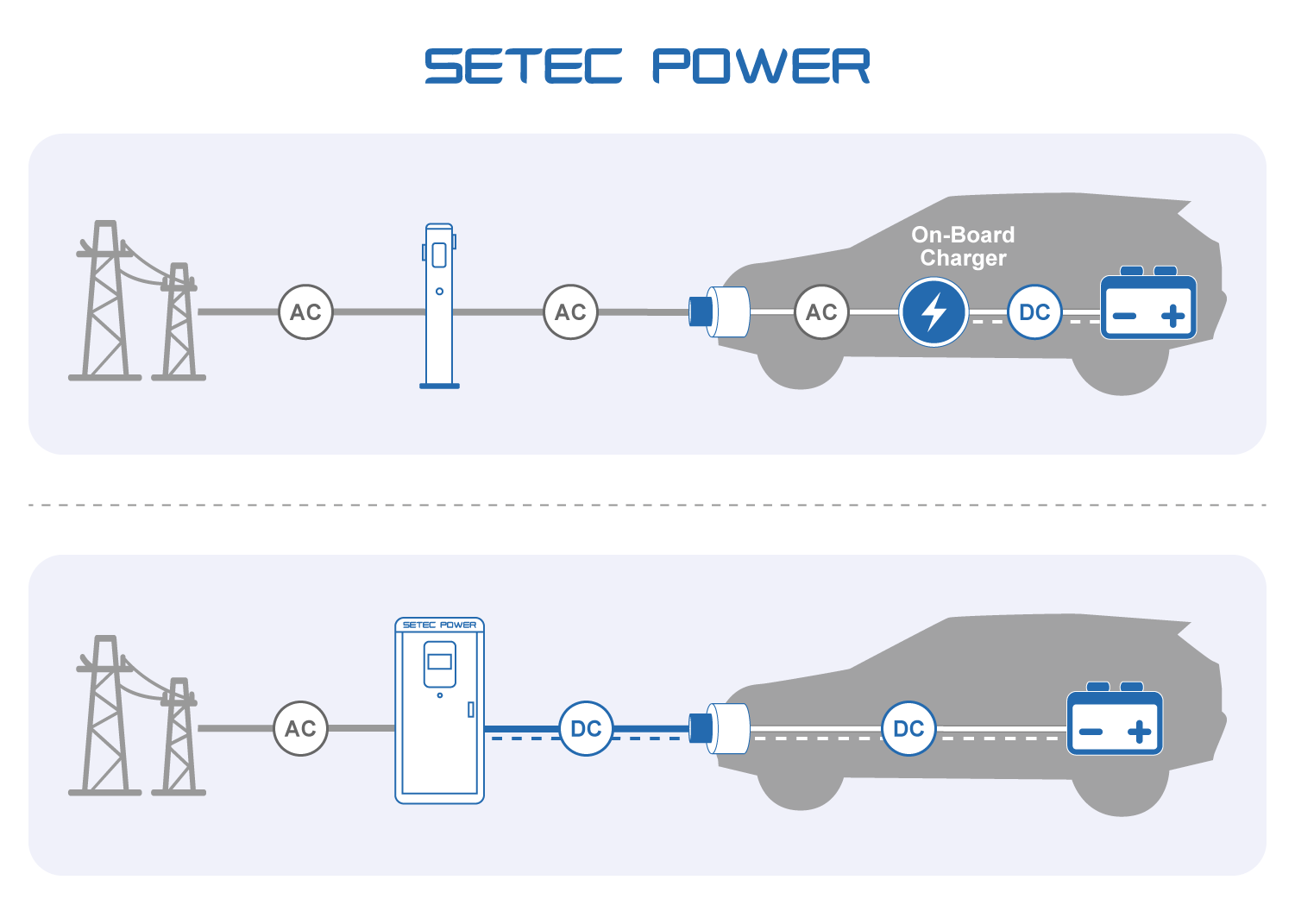
When charging at an AC charging point, the alternating current (AC) is converted into direct current (DC) by the vehicle’s onboard converter to supply power to the battery.
When charging at a DC charging point, the charging station itself converts the AC power from the grid into DC and then transmits it to the vehicle for storage and battery charging.
AC Charging
Electricity supplied by the grid is in the form of AC, which periodically reverses direction. Charges the electric vehicle's battery through an AC power source. During AC charging, the power supply provides an alternating current that frequently changes between positive and negative directions. The electric vehicle's charger converts the AC into the required DC to charge the battery. Since EV batteries store energy in the form of DC, the alternating current from the grid must be converted to DC by the vehicle’s onboard converter before it can be used to charge the battery. When the vehicle is in AC charging mode, the onboard charger detects the CC and CP signals (charging connector insertion and connection signals) at the AC charging interface and awakens the BMS. The BMS awakens the onboard charger and sends charging instructions, while closing the main relay, and the traction battery begins charging.
DC Charging
Converts AC power from the grid to DC power within the charging station itself, then transmits the DC power to the electric vehicle's fast charging port, with electrical energy directly entering the vehicle's traction battery. Unlike AC charging, this conversion occurs outside the vehicle; the DC power bypasses the onboard charger and flows directly into the battery, allowing for higher power delivery and significantly faster charging speeds. When the DC charging equipment interface connects to the vehicle's DC charging port, the DC charging equipment sends a charging wake-up signal to the BMS. The BMS sends charging current instructions to the DC charging equipment based on the chargeable power of the traction battery. At the same time, the BMS activates the system's high-voltage positive and high-voltage negative relays, and the traction battery begins charging.
Types of EV Charging
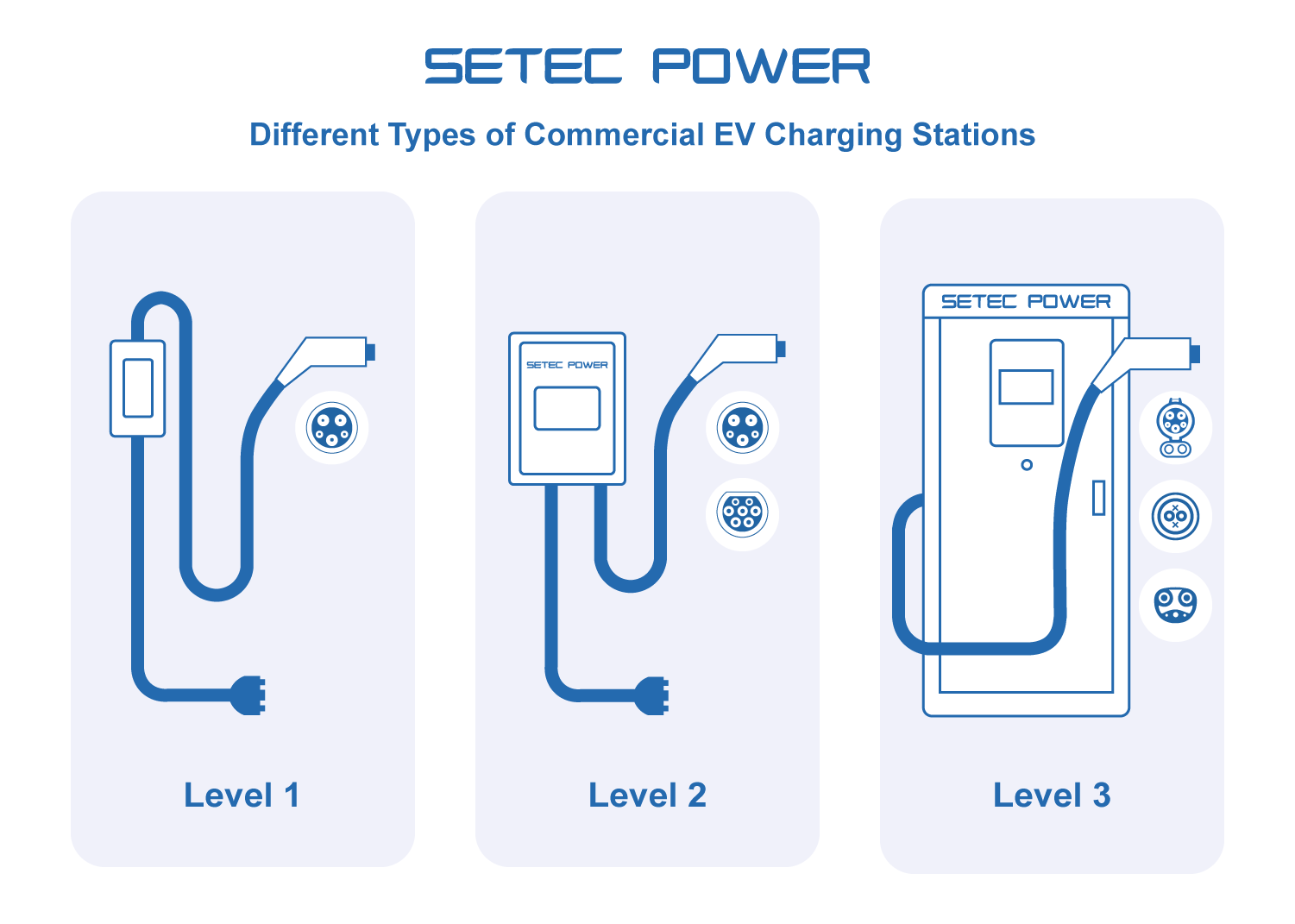
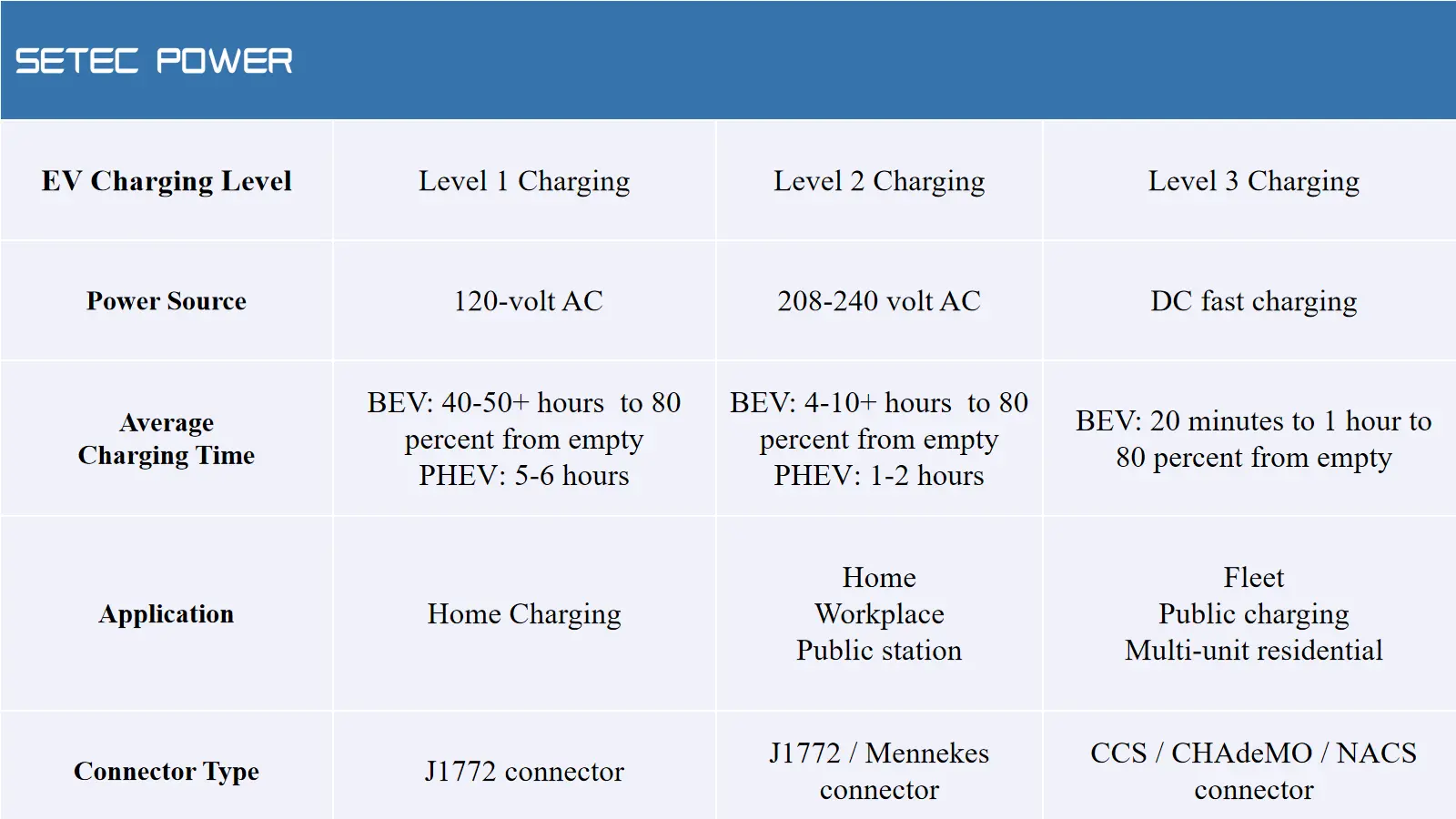
There are three Levels of EV Charging:
Level 1 or slow
Level 2 or fast
Level 3 or rapid / ultra-fast
Main Components of EV Charging Charger
The process of charging an electric vehicle is not just about transferring power from the grid to the battery; it also relies on the collaboration of several main components. Understanding the main components of an electric vehicle charger is the foundation for understanding how EV charging works and ensuring safety during the charging process.
First, we need to mention the EVSE, which refers to the infrastructure and components required for electric vehicle charging. It includes an electric vehicle charger, charging station, charging point, or charging dock.
An electric vehicle charger is specifically designed to charge electric vehicle batteries. They function like gas stations for electric vehicles, providing the necessary power to the car's battery for continued use. The key components of an electric vehicle charger include: a power supply, a connector, a charging cable, a control board, and a user interface. Each component has its unique function and works together to provide the required power to the electric vehicle battery. All these parts work in coordination to ensure safe and efficient charging.
Power Supply
The power supply is a key component of an electric vehicle charger. It converts electrical energy from the grid (whether AC or DC) into the voltage and current to charge the EV’s battery. This component typically includes transformers, rectifiers, and control circuitry.
Connector
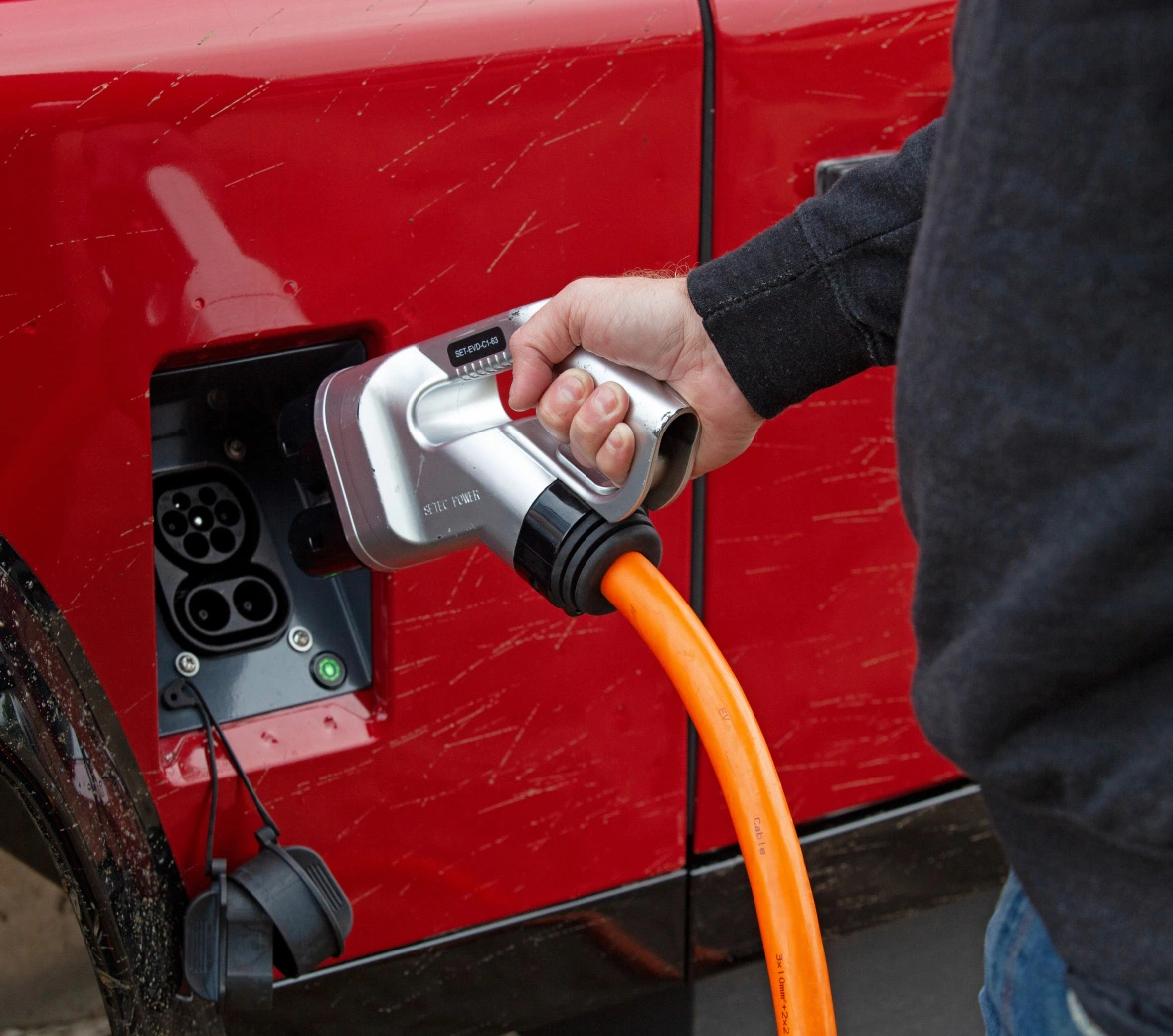
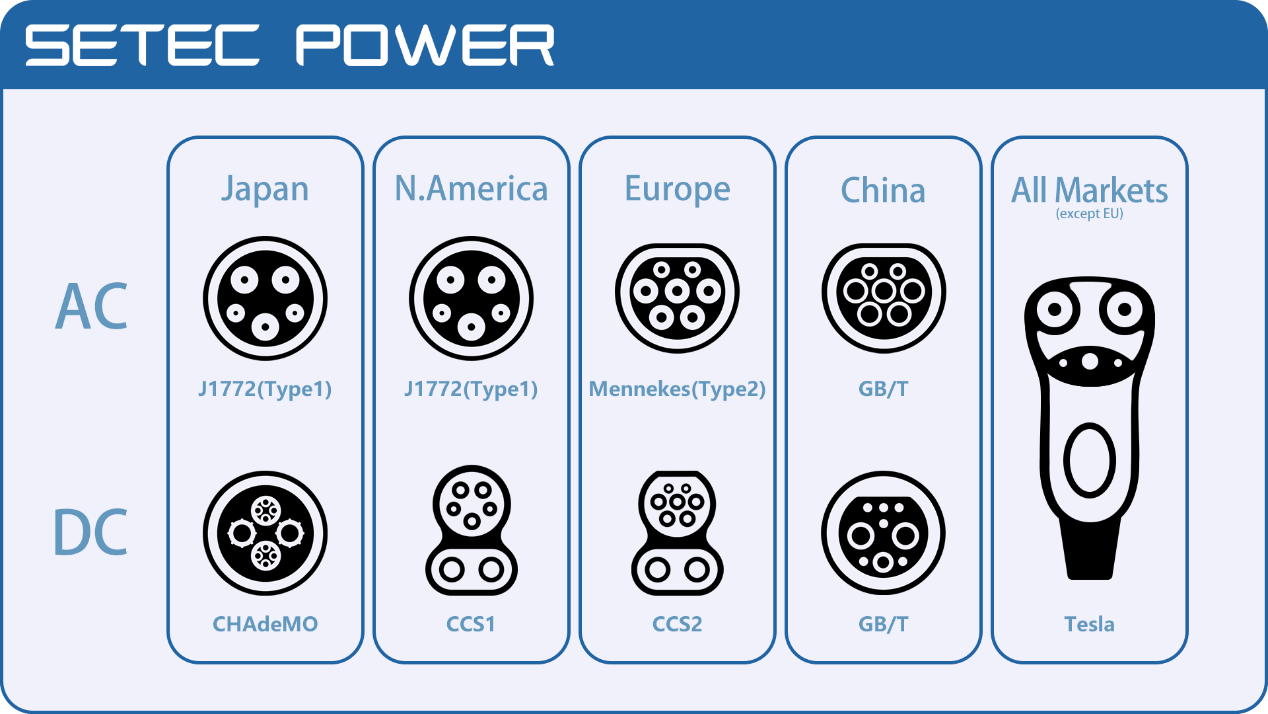
The connector of an electric vehicle charger is crucial for ensuring that the electric vehicle receives the necessary power. It consists of a plug that can be inserted into the vehicle's charging port and a socket. Some types of connectors are Type 1 (SAE J1772), Mennekes (Type 2), CHAdeMO, and CCS.
Charging Cable
The charging cable connects the charging station and the electric vehicle. It transmits current from the charging station to the electric vehicle's battery.
Control Board
The control board controls and monitors the EV charging points and ensures the safety and efficiency of the EV battery. It typically consists of a microcontroller, voltage and current sensors, a relay, and other components.
User Interface
The user interface typically includes screens, buttons, or other input devices that allow users to input information and control the charging process. The most common types of user interfaces include touchscreens, mobile applications, and RFID readers.
Factors that Affect EV Charging Speeds
Multiple factors affect the speed and efficiency of electric vehicle charging. Understanding these factors helps owners optimize the charging process and experience, thereby improving charging efficiency:
The Type of Charger
The type of charger affects speed. Level 1 chargers have the slowest charging speed. Level 2 chargers require dedicated charging stations and charge faster, while DC fast chargers provide the fastest charging times, especially suitable for long-distance travel.
Charging Infrastructure
The infrastructure of the charging station (such as voltage and power output) affects charging speed. Charging stations with higher voltage can provide more power to your electric vehicle, shortening charging time. Additionally, their condition and maintenance also affect overall charging efficiency.
Grid Capacity
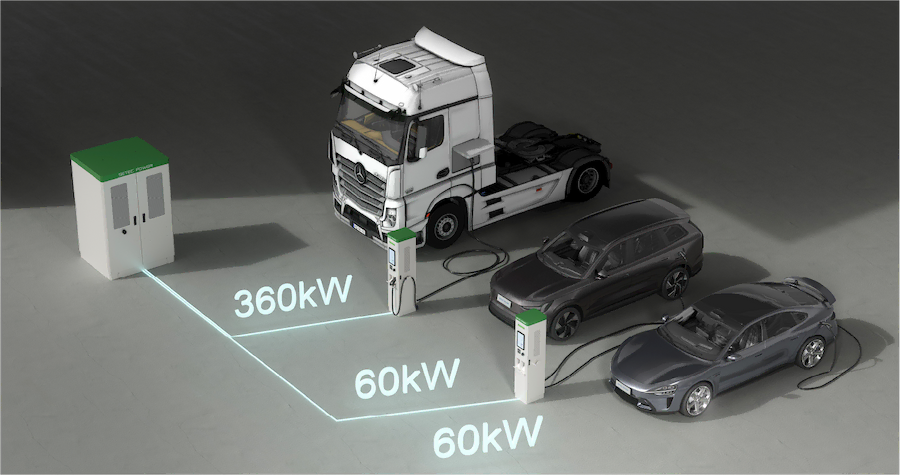
The power capacity of the local charging site affects charging speed. In areas with limited grid capacity, multiple high-power chargers operating simultaneously may result in slower charging speeds.
Power Demand
Charging during peak hours may result in slower charging speeds. Charging during off-peak hours (when power demand is lower) may be faster and more economical.
Battery Temperature
Environmental factors such as temperature and weather conditions affect the charging speed. If the weather is very hot or too cold, the charging speed will slow down. These speeds are determined by the BMS, which controls the thermal management system to achieve fast and safe charging.
How long does it take to charge an EV
Charging time mainly depends on the EV's battery capacity and the charging power of the charging station. The larger the battery capacity, the longer the charging time; the greater the charging power, the shorter the charging time.
The formula for calculating the estimated charging time for an electric vehicle is:
Charging Time (h) ≈ Battery Capacity (kWh) ÷ Charging Power (kW)
For example, if the electric vehicle's battery capacity is 60 kWh and the charging equipment power is 6 kW, then the charging time is 10 hours. However, when making calculations, it is also necessary to consider factors such as the remaining battery capacity and charging efficiency at different charging stages.
EV charging at home
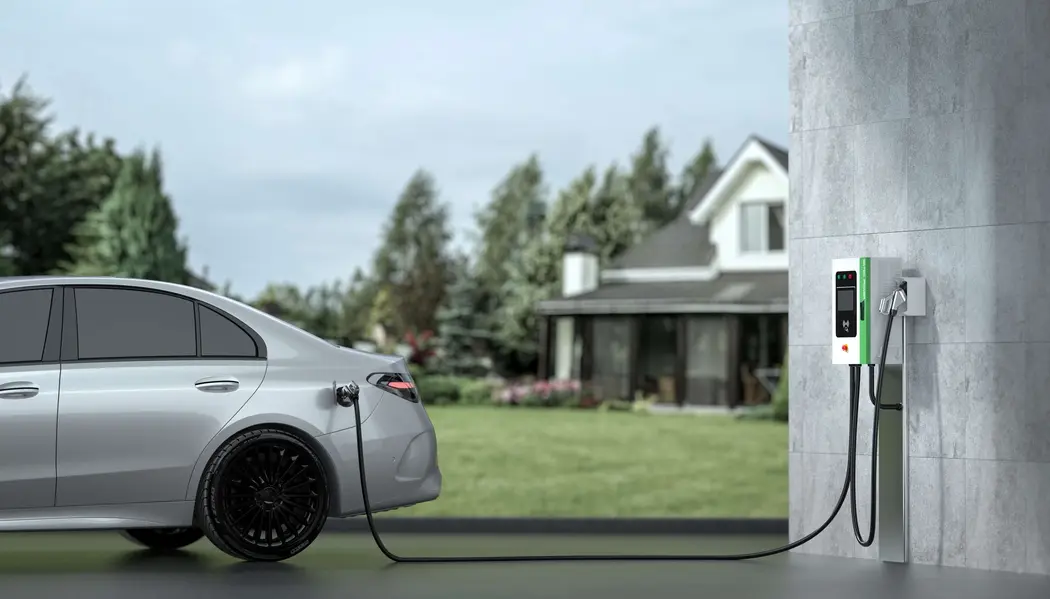
Home charging stations typically have a rated power of 3.7 kW or 7 kW. The lower-powered 3.7kW home charger requires about 16 hours to fully charge, adding a maximum of 15 miles of range per hour; a 7kW home charger can fully charge a typical 60kWh electric vehicle battery in less than 8 hours, adding a maximum of 30 miles of range per hour, making it very suitable for overnight home charging.
EV charging at a public charging station
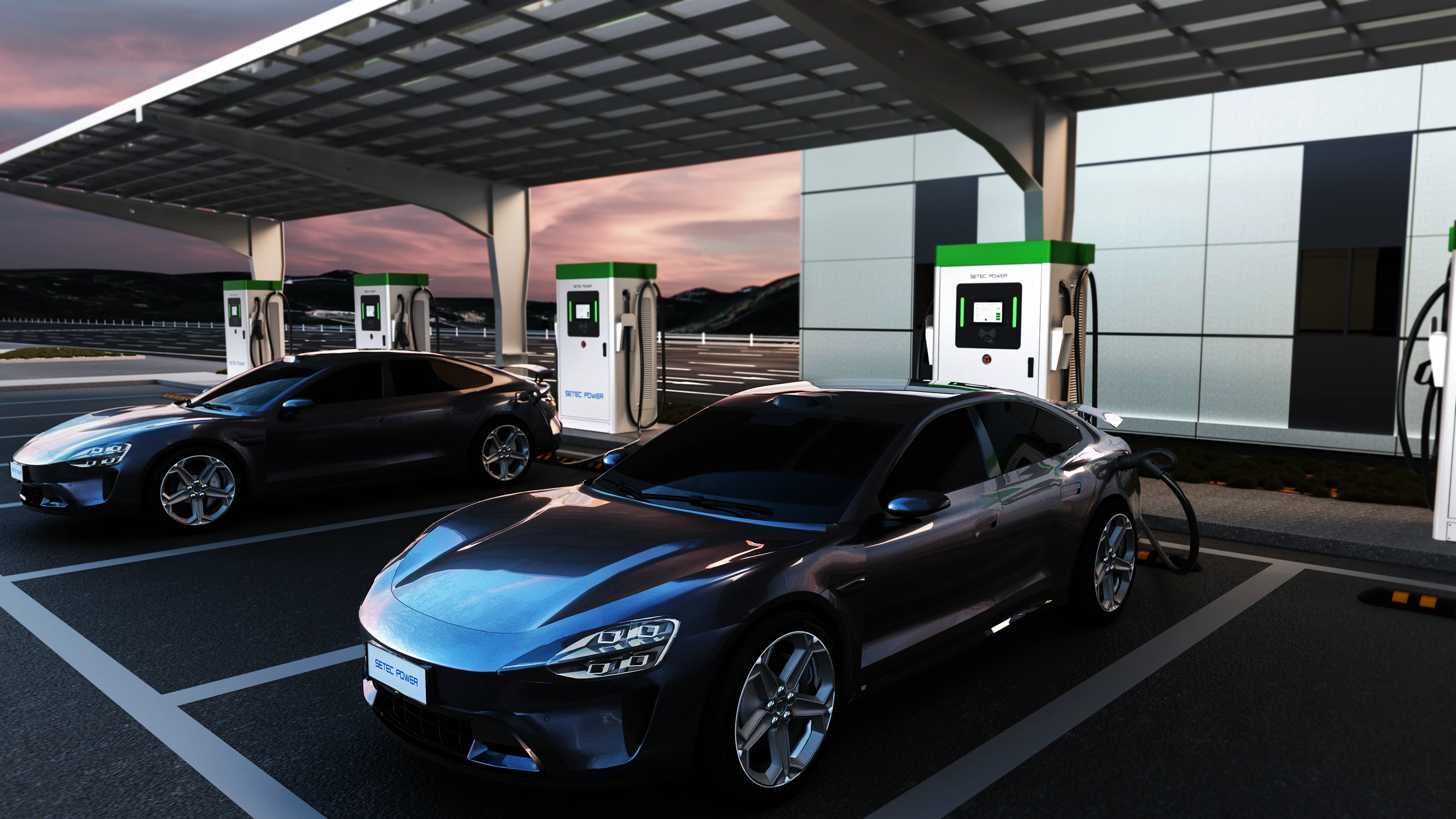
At a 150kW DC fast charging station, a typical electric vehicle (60kWh battery) can be fully charged in just 30 minutes or even less, providing 200 miles of range in 30 minutes. If using a 7kW public charging station, it is expected to fully charge in 8 hours, while using a 22kW charging station would take about 3 hours.
Conclusion
As electric vehicle technology continues to develop, charging speeds will increase, charging facilities will continue to improve, and the user experience of EVs will be enhanced. However, regardless of how technology develops, understanding the basic principles of EV charging is very important for every electric vehicle owner and beginner. By understanding some basic knowledge of electric vehicles, owners can better use their electric vehicles, extend their service life, and improve charging efficiency.