Sep 11, 2026

Apr 03, 2025
Electric vehicles (EVs) are revolutionizing transportation, and understanding the various EV charging connectors, sockets, and plugs is critical for EV owners, charging station providers and installers, and policymakers. A visual summary of the EV connectors currently in use on the market is shown below. This article will take a deep dive into the two major charging standards in the world: CCS vs CHAdeMO.
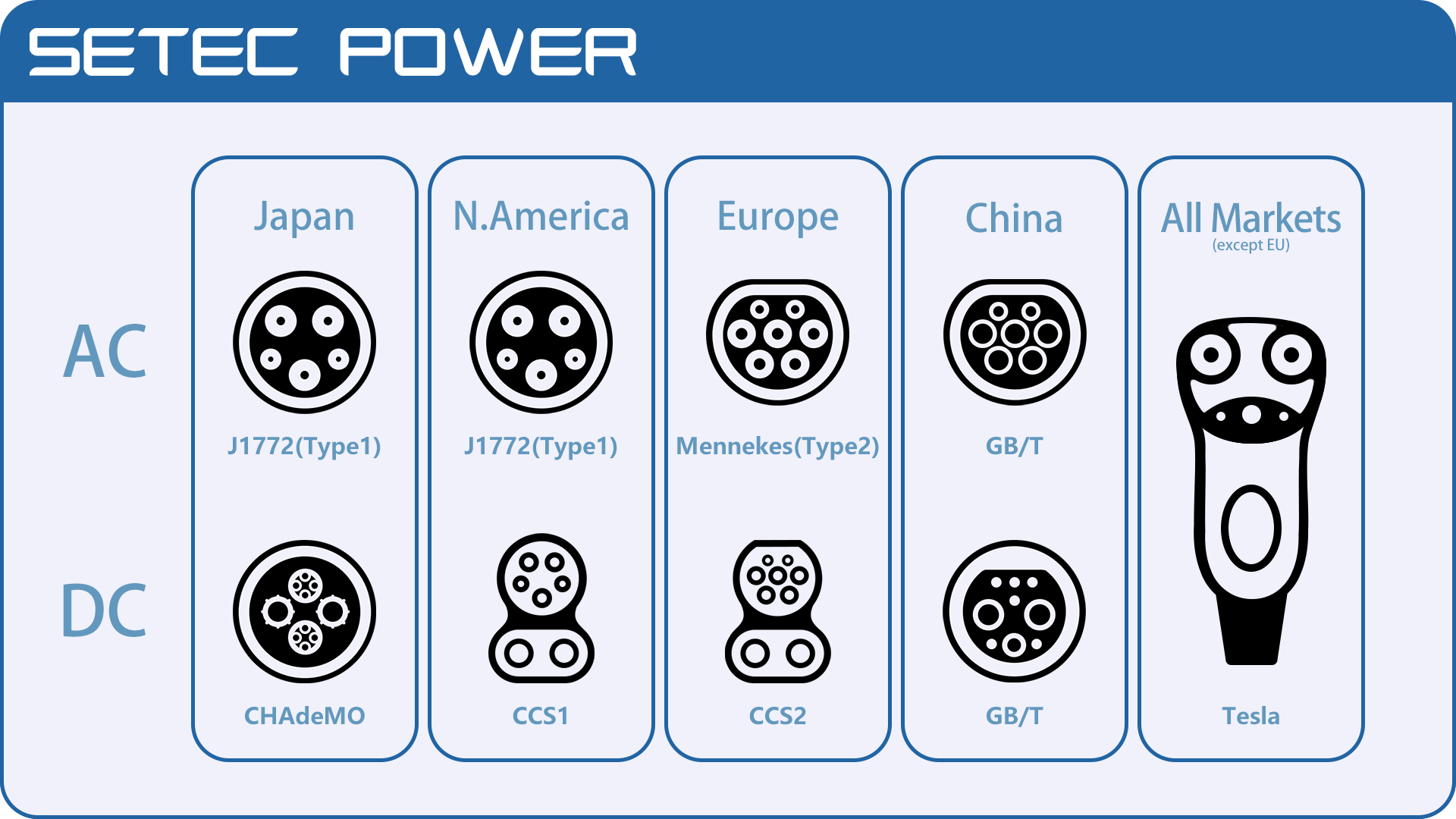
Electric Vehicle Charging Standards
There is more to charging an electric vehicle than simply "plugging it in". Charging standards are key technical specifications that ensure that electric vehicles can be charged safely and efficiently. The two main charging standards, CCS (Combined Charging System) and CHAdeMO have become key players in the electric vehicle charging ecosystem.
What is CCS?
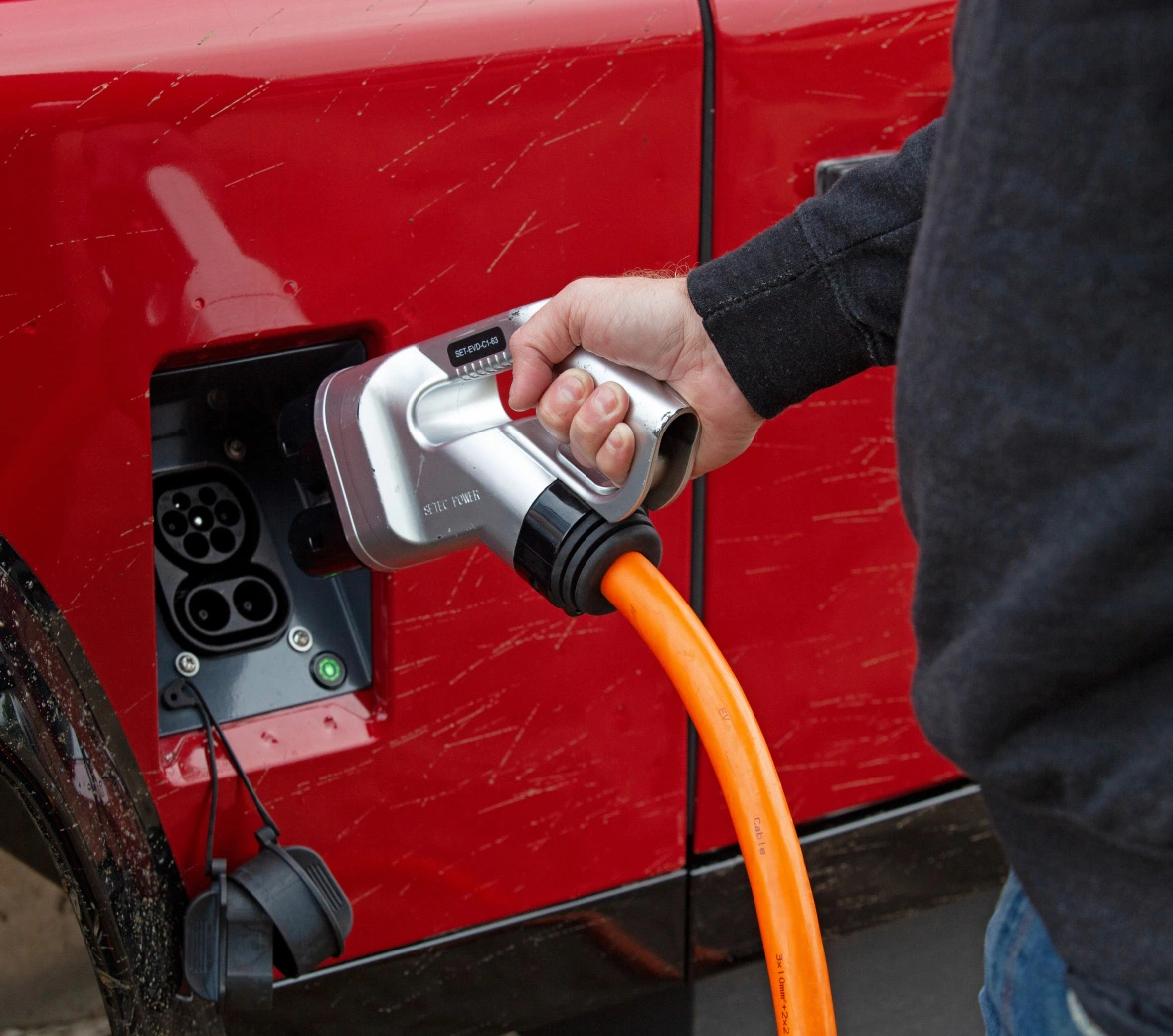
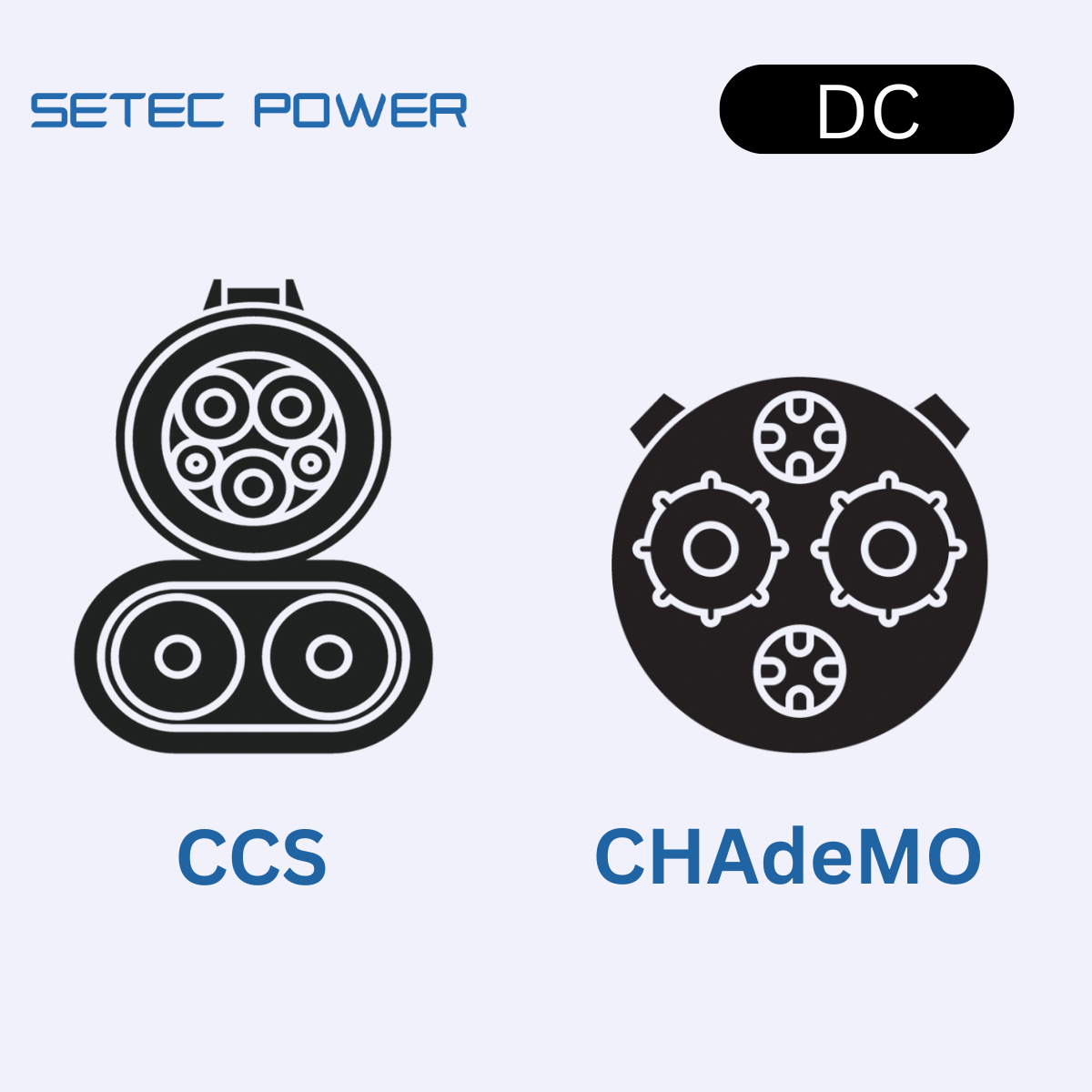
CCS (Combined Charging System) is a standard that integrates AC charging and DC fast charging. It adopts a design that is compatible with traditional AC charging plugs and adds two DC charging plugs to support charging needs at different power levels. The CCS standard is widely used in Europe and North America and has gradually become the mainstream charging standard worldwide. According to the CCS standard, the charging power can reach 500 kW, which can charge electric vehicles in a shorter time and provide faster charging speeds.
What is CHAdeMO?
CHAdeMO (Charge de Move) is a fast-charging standard developed jointly by Japanese electric vehicle manufacturers. It uses a special plug and communication protocol to support high-power DC fast charging. The charging power of the CHAdeMO standard is usually between 50kW and 100kW, but the latest CHAdeMO 2.0 specification can support up to 400 kW of charging power. The name CHAdeMO comes from the Japanese "Would you like a cup of tea?", which means that charging can be completed in the time it takes to drink a cup of tea.
Key differences between CCS and CHAdeMO
Feature | CCS | CHAdeMO |
Connector Design | AC/DC Single Connector | DC single connector |
Bidirectional charging capability | Not support V2G | Support V2G |
Pinout | 7 pins | 9 pins |
Regional prevalence | Common in North America and Europe | Main applications in Asia |
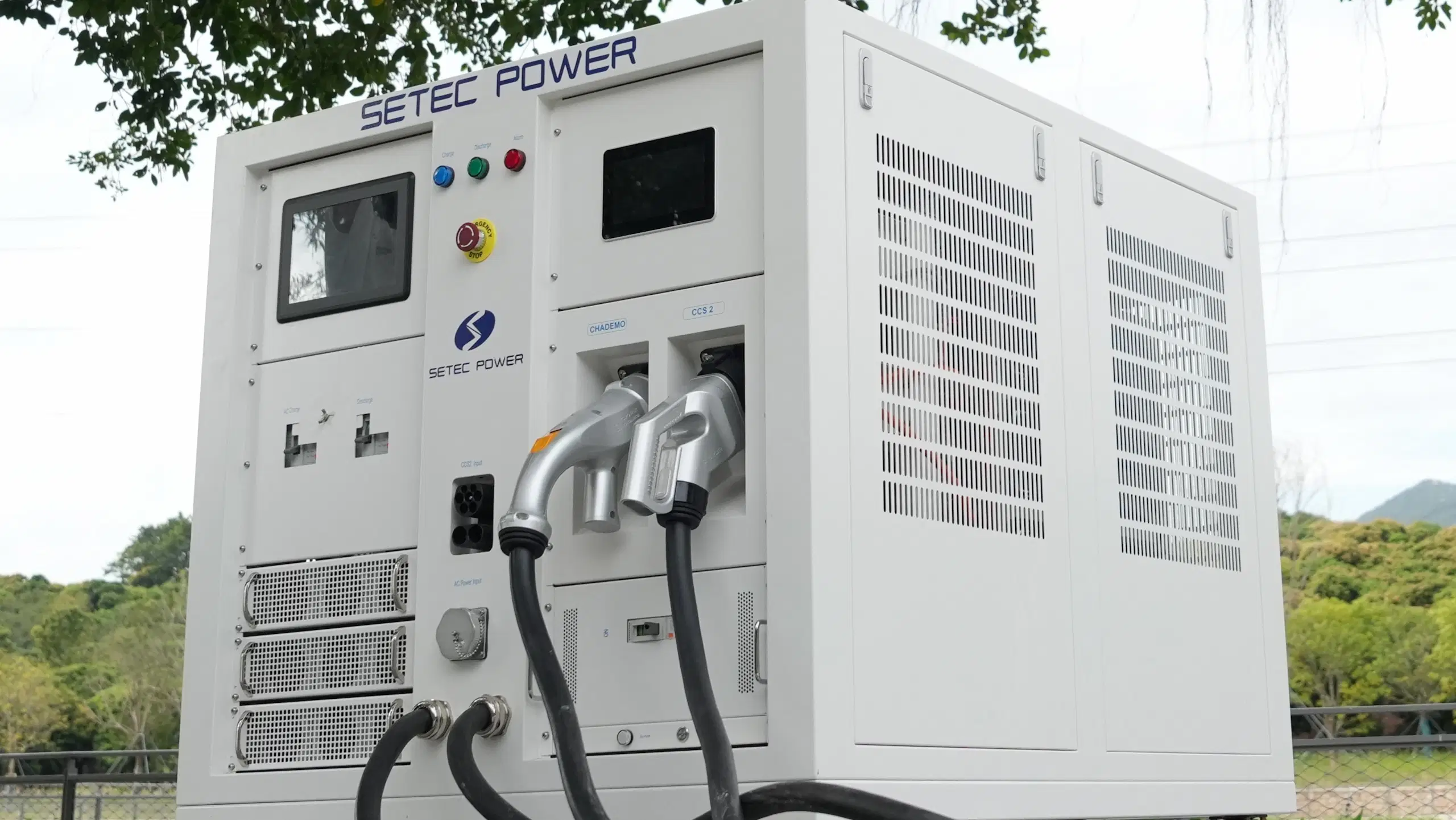
Connector Design
CCS (Combined Charging System)
The main feature is the ability to combine AC and DC charging in the same connector, a single connector simplifies infrastructure and reduces the need for multiple vehicles charging ports.
CCS is based on the Type 2 (or Mennekes) connector, which is widely used in Europe for AC charging. To enable DC fast charging, CCS adds two additional pins below the standard Type 2 connector. These additional pins handle the high-power DC current required for fast charging, while the original Type 2 pins manage AC charging and communication between the vehicle and the charging station.
CHAdeMO(Charge de Move)
CHAdeMO uses a separate DC charging interface and is designed to provide efficient DC fast charging capabilities. Unlike CCS, CHAdeMO does not integrate AC charging functions into the connector but focuses on optimizing the performance of DC charging.
Charging speed and efficiency
• CCS standard can reach a DC charging power of more than 500 kW.
• CHAdeMO 3.0 standard supports charging power of more than 500 kW, which is a further improvement over the 2.0 standard's maximum of 400 kW. This standard can meet the charging needs of short-range electric vehicles (about 120 km of range) in half an hour. As of June 2018, CHAdeMO's charging capacity has reached 400 kW (400A x 1kV). Currently, CHAdeMO's goal is to increase to 900 kW, and it is working with the China Electricity Council to jointly promote the development of the next generation of ultra-high power charging standards.
Global Adoption and Market Trends
CCS stands out due to its dual functionality, accommodating both AC and DC charging, which makes it beneficial to the growing electric vehicle segment. The CCS Combo segment is expected to grow faster than the CHAdeMO segment and is expected to reach revenues of $2.5 billion by 2028.
According to the EU directive, high-power DC charging points installed after November 18, 2017 need to be equipped with at least a Combo 2 (CCS) connector to facilitate interoperability.
Tesla's proprietary connector (now known as the North American Charging Standard, NACS) dominates the US market. However, in 2023, companies such as Ford, General Motors, and Rivian announced that they would adopt the NACS standard, which may affect the adoption rate of CCS in North America.
CHAdeMO has a strong presence in the Asian market, accounting for the largest revenue share in 2022, as its connector is compatible with a wide range of electric vehicles, including General Motors (GM), Bayerische Motoren Werke (BMW), Volkswagen (VW), etc. It enables flexibility associated with electric vehicle design as it only requires one connector for charging. The CHAdeMO segment accounts for the largest share in the global electric vehicle DC fast charging station market in 2023, with revenue of USD 1.5 billion.
Bidirectional Charging (V2G) Capability
CHAdeMO is the only charging protocol with mass market production and certification for bidirectional charging (V2G) capability. This enables CHAdeMO-equipped vehicles to send power back to the grid, enhancing grid stability and providing backup power during power outages.
Currently, CCS does not support V2G technology like CHAdeMO. While CCS is widely used for fast charging, it lacks the bidirectional charging capabilities offered by CHAdeMO.
Cost considerations
Chargers vary by power level, location, and infrastructure requirements, and in Europe, each CCS charging station costs about €200,000 (about $220,000) to build, according to 2016 data. In comparison, CHAdeMO has lower upfront costs than CCS.
FAQ
Q: Which EV cars use CHAdeMO?
A: The CHAdeMO connector fits most Nissan, Mitsubishi and Kia electric vehicles.
Q: Can I adapt CHAdeMO to CCS?
A: The CCS to CHAdeMO adapter enables CHAdeMO-equipped vehicles like the Nissan Leaf to charge at CCS2 stations, addressing the growing scarcity of CHAdeMO infrastructure.
Conclusion
The charging speed and power output of an EV charging connector are determined by several factors, one of which is the type of connector. Each EV connector has advantages and disadvantages, so whether you are an EV owner looking to choose the right connector type for your vehicle or an EV charging installer looking for the best charging connector configuration for your needs, understanding the different types of EV charging connectors is essential. As electric vehicles continue to evolve, charging standards will also adapt. Both CCS and CHAdeMO play a vital role in the global electric vehicle ecosystem.