Apr 21, 2026

Apr 21, 2026
As the number of electric vehicles in Dubai continues to grow, the demand for emergency charging in roadside assistance scenarios is increasing rapidly. Sheikh Zayed Road (E11), a major transport corridor connecting Dubai and Abu Dhabi, operates under heavy traffic conditions around the clock. During peak hours, traffic flow is extremely dense, with thousands of vehicles passing through per hour in a single direction.In such high-density traffic conditions, an EV running out of battery and breaking down not only reduces road efficiency but also creates serious safety risks.
A local charging service provider has been actively exploring a new roadside emergency charging service. During the initial planning phase, they found that traditional towing-based solutions are often complex and time-consuming. During peak traffic periods, this approach is inefficient and may even worsen congestion. In contrast, on-site charging solutions are better suited to real-world rescue scenarios and user needs.Therefore, the provider required a flexible mobile charging solution to successfully launch this new emergency charging service and significantly improve overall rescue efficiency and service quality.
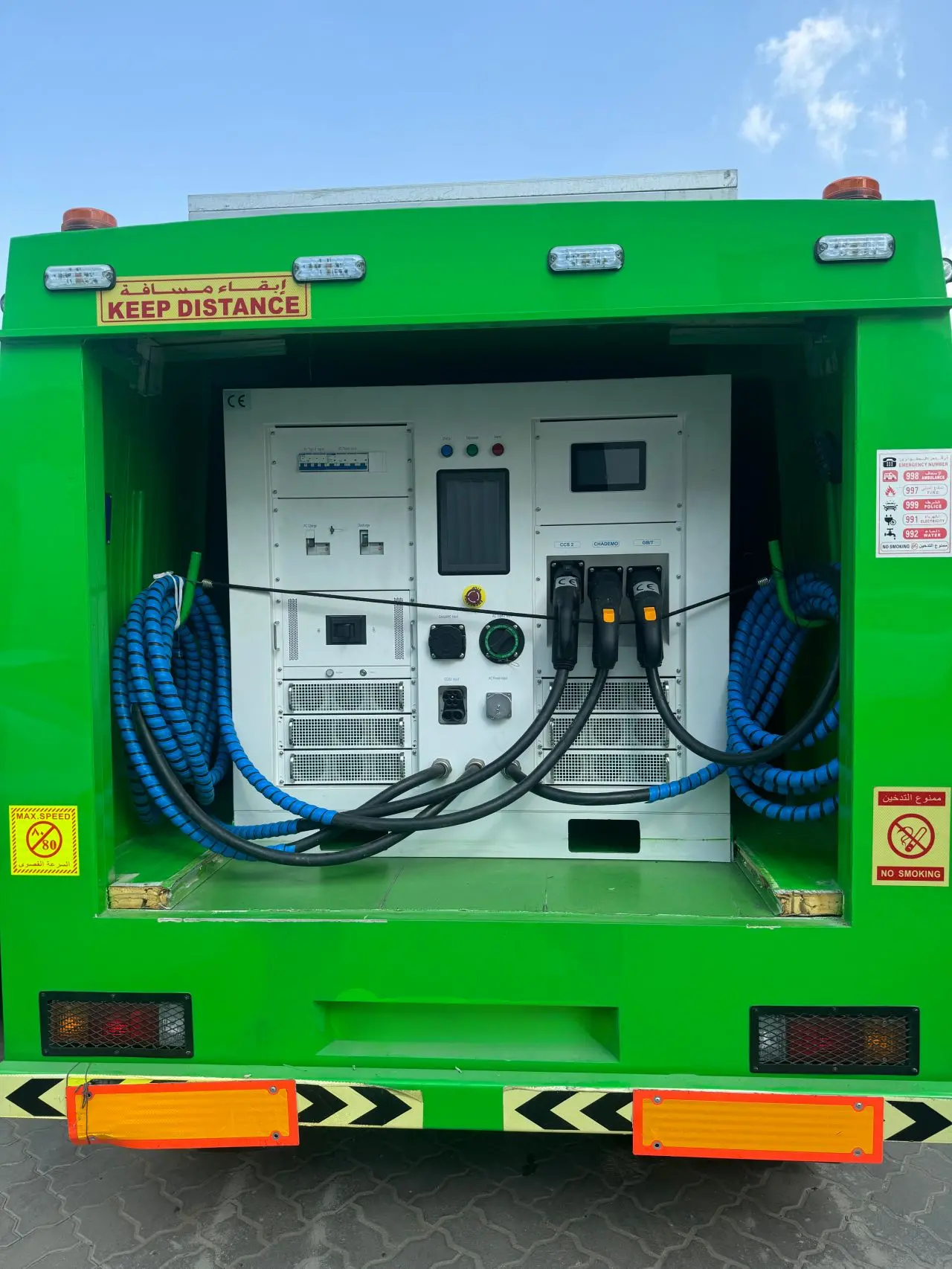
However, during project implementation and on-site deployment, several key challenges needed to be addressed. The E11 highway is characterized by heavy traffic flow and fast-moving conditions, requiring roadside assistance operations to be deployed quickly while minimizing lane occupation time, which places high demands on equipment deployment efficiency. In addition, roadside rescue scenarios are typically temporary and often lack stable grid access, making off-grid operation and emergency power capability essential. The diversity of local EV models and charging standards further requires strong compatibility to ensure safe and efficient charging across different vehicles. Moreover, Dubai’s extreme summer climate, with temperatures often exceeding 40°C and occasionally reaching up to 50°C, imposes stringent requirements on system stability and continuous operation under harsh environmental conditions.
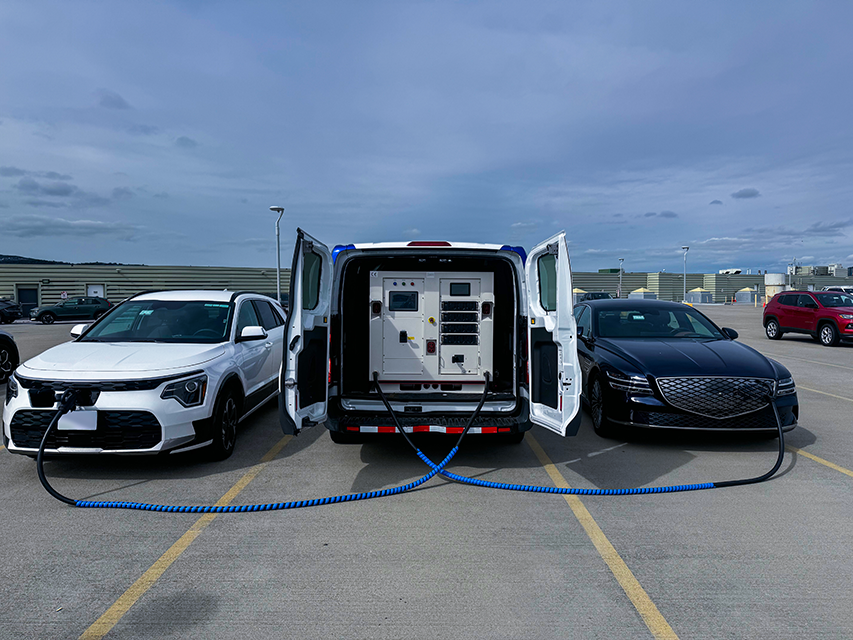
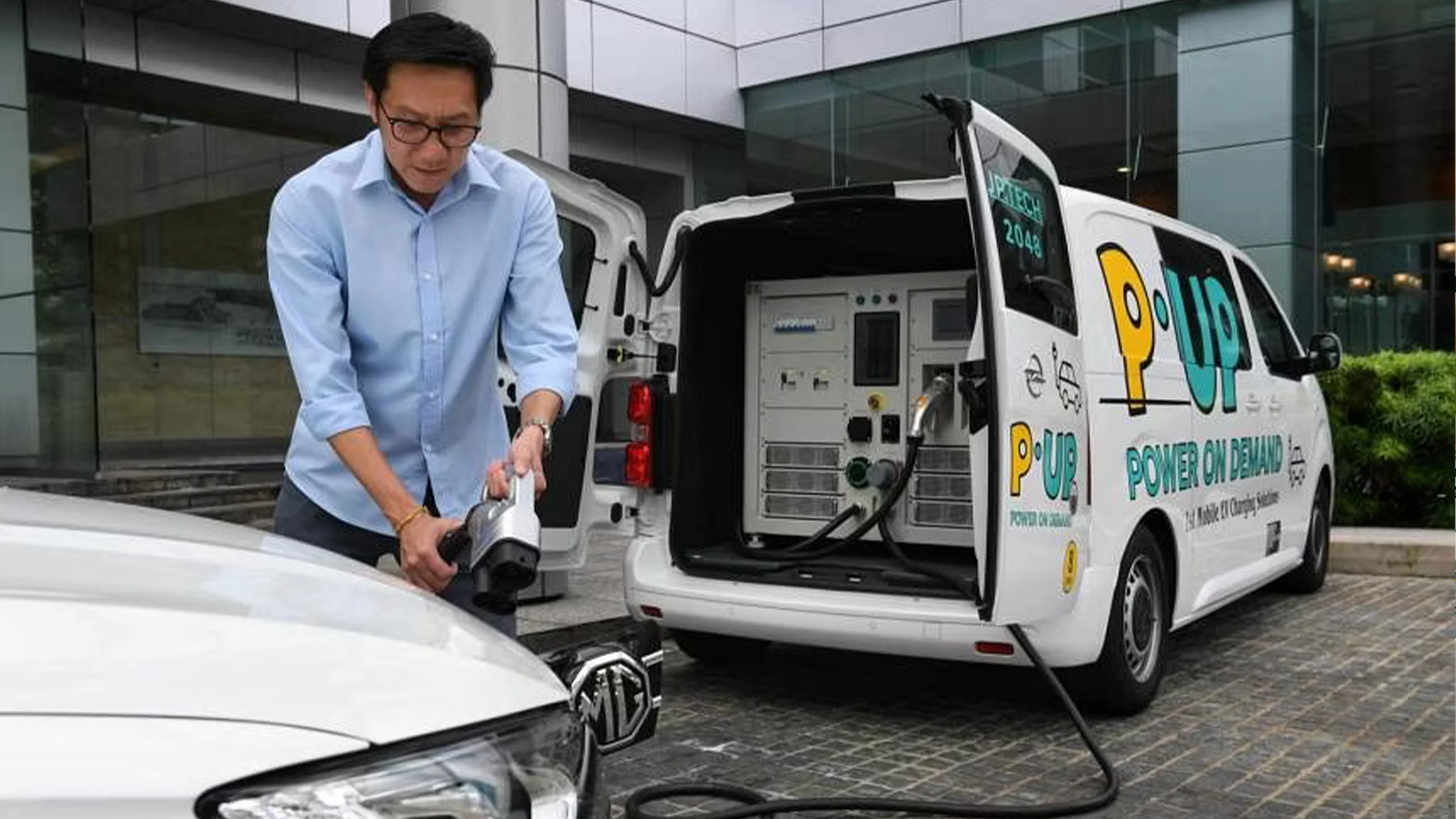
Real mobility: The system adopts a customized vehicle-mounted integration design, allowing it to be directly installed on service vehicles. It can be quickly deployed upon arrival at the site, reducing setup time and minimizing lane occupation.
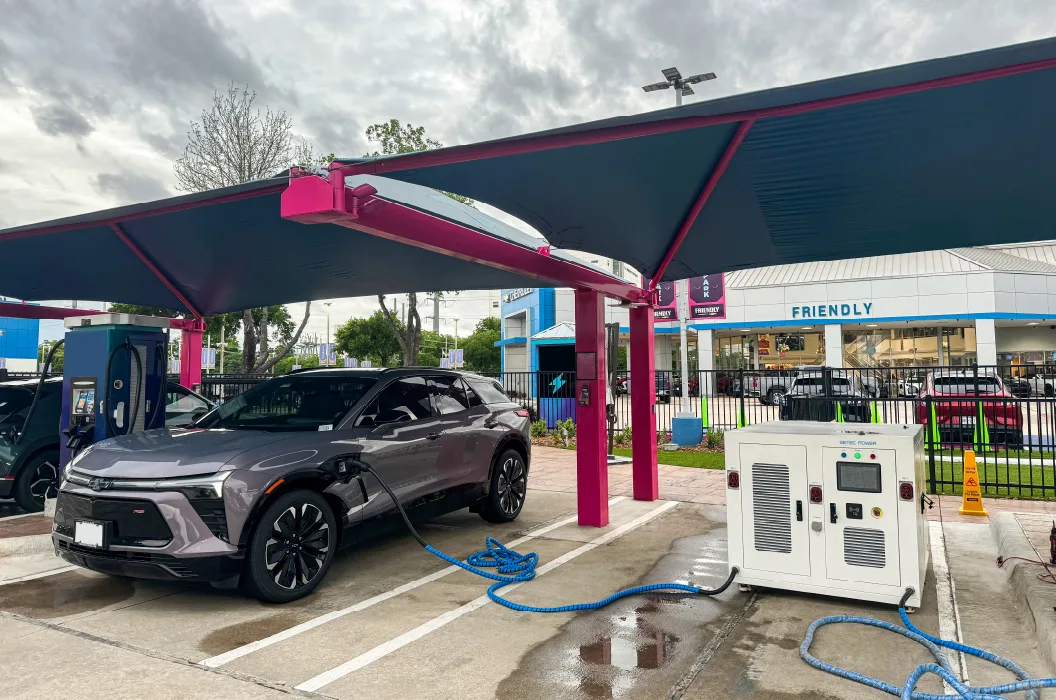
Off-Grid Capability: The solution does not rely on a fixed power grid for emergency charging, ensuring uninterrupted rescue operations in remote areas or when vehicles are completely depleted.
Multi-standard Compatibility: Supports major charging standards including CCS1, CCS2, CHAdeMO, GB/T, and NACS, with adapter support and customizable configurations to meet the needs of different vehicle models.
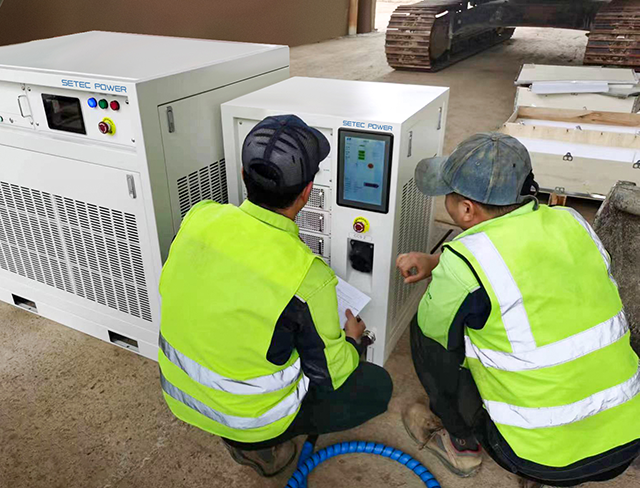
Large-Capacity Backup Power: Equipped with a high-capacity battery system, it provides continuous power supply for stranded EVs while also supporting emergency power demands.
High-Temperature Stability: Designed to operate within a temperature range of -20°C to +50°C, ensuring stable performance even under extreme heat conditions.
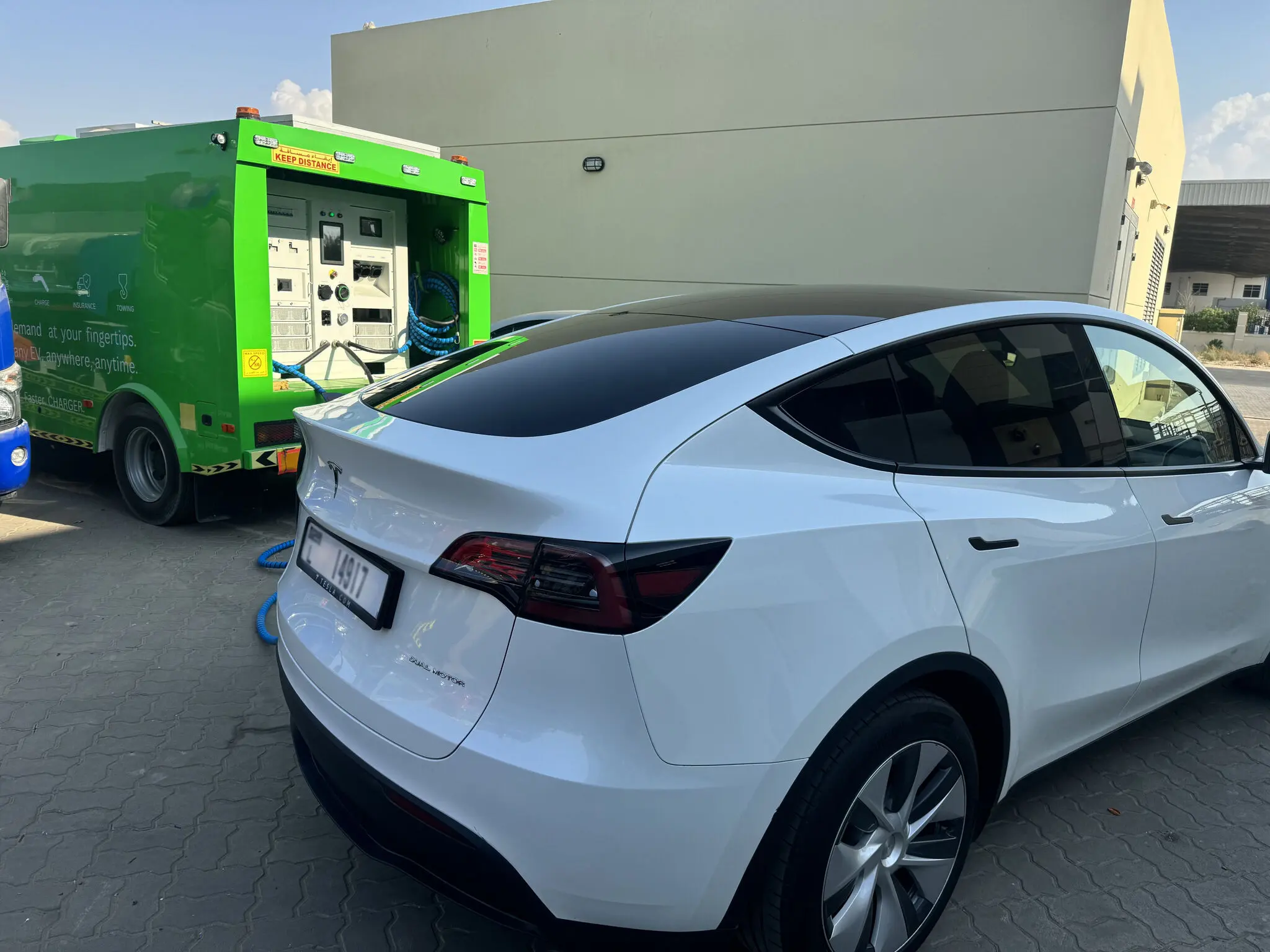
Following the deployment of the two mobile charging units, the provider successfully launched its new roadside emergency charging service. Emergency response capabilities along the E11 corridor have significantly improved.The on-site charging model has effectively replaced traditional towing operations, greatly reducing total rescue time and minimizing disruption to high-traffic roads. At the same time, the new workflow simplifies operations, reduces dispatch complexity and labor requirements, and enhances overall efficiency and control.Overall, this solution not only enabled the provider to expand into a new service area but also improved rescue efficiency and service reliability, delivering a faster and more convenient experience for EV drivers.